
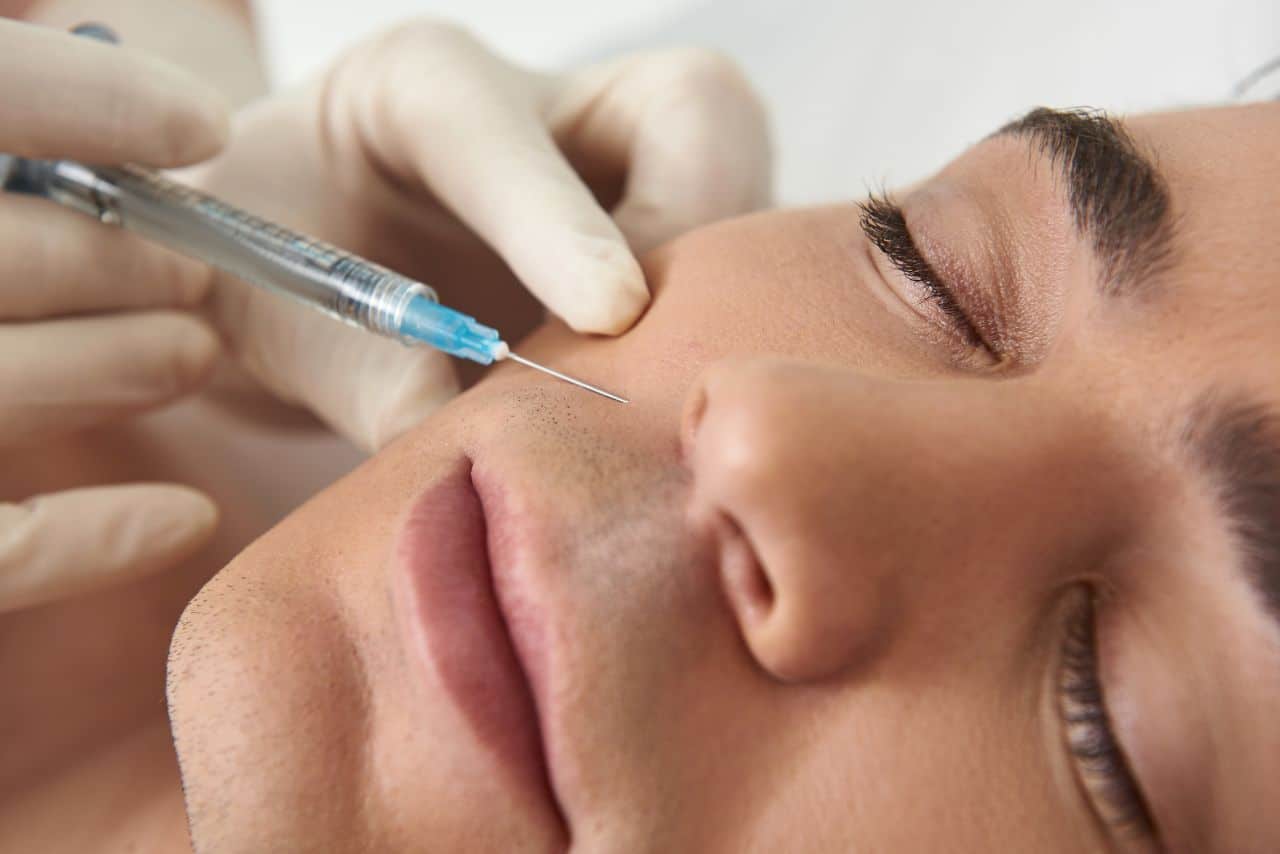
Juvéderm for Nasolabial Folds: Professional Guide for Aesthetic Clinics
Nasolabial folds, often called smile lines, are the creases that run from the sides of the nose toward the corners of the mouth. They are a normal part of facial anatomy, but they can become more noticeable with age, facial movement, volume loss, skin laxity, and changes in midface support.
Juvéderm is a family of hyaluronic acid dermal fillers used by qualified medical professionals for selected aesthetic treatment goals. Certain Juvéderm products may be considered for correction of moderate-to-severe facial wrinkles and folds, including nasolabial folds, when appropriate for the patient and supported by current product labelling.
This article reviews nasolabial folds, how Juvéderm may fit into professional treatment planning, why filler amount must be individualized, expected duration, safety considerations, and professional sourcing.
Explore professional dermal filler supplies at Health Supplies Plus.
In This Article, You Will Learn
- What nasolabial folds are
- What Juvéderm is
- How Juvéderm may support nasolabial-fold correction
- Why filler amount should not be standardized
- How long Juvéderm results may last
- What safety considerations clinics should discuss
- How to source Juvéderm professionally
Key Takeaways
- Nasolabial folds are normal anatomy: They may deepen due to facial movement, midface volume changes, skin laxity, and age-related tissue changes.
- Juvéderm is a product family: Different Juvéderm fillers have different properties and should not be treated as interchangeable.
- Amount varies by patient: The amount of filler needed for nasolabial folds depends on fold depth, anatomy, tissue quality, midface support, product choice, and treatment goals.
- Directly filling the fold is not always the whole plan: Some patients may benefit from assessing midface support before treating the fold itself.
- Results are temporary: Duration varies by product, treatment area, amount used, facial movement, metabolism, and individual response.
- Safety protocols are essential: Dermal fillers can cause common temporary effects and rare serious complications, including vascular compromise.
How Much Juvéderm Is Needed for Nasolabial Folds?
There is no universal amount of Juvéderm required for nasolabial folds. Public-facing content should avoid giving fixed syringe amounts or product-volume recommendations because treatment needs vary significantly between patients.
The amount and type of filler may depend on:
- Depth and length of the nasolabial fold
- Whether the fold is mild, moderate, or severe
- Midface volume and cheek support
- Skin thickness and elasticity
- Facial movement and expression pattern
- Baseline asymmetry
- Prior filler or surgical history
- Patient preference for subtle or more visible correction
- Product selected and current product labelling
- Practitioner assessment and treatment strategy
Some patients may need a conservative, staged plan rather than full correction in one appointment. Others may require treatment of adjacent support areas before, or instead of, direct fold correction. A professional consultation is the appropriate setting to determine the treatment plan.
What Are Nasolabial Folds?
Nasolabial folds are the natural creases that extend from the sides of the nose toward the corners of the mouth. They are often called smile lines because they become more visible with facial expression.
These folds may become more prominent due to:
- Age-related collagen and elastin changes
- Midface volume loss
- Cheek fat-pad movement or descent
- Skin laxity
- Repeated facial movement
- Genetics and baseline anatomy
- Sun damage and skin-quality changes
- Weight changes
Because nasolabial folds can reflect changes in surrounding facial support, the treatment plan should not always focus only on placing filler directly into the fold. A full-face assessment can help determine whether the fold is primarily a local crease, a support issue, or a combination of factors.
What Is Juvéderm?
Juvéderm is a collection of hyaluronic acid dermal fillers. Hyaluronic acid, often abbreviated as HA, is used in dermal fillers to provide temporary soft-tissue support, volume, or smoothing depending on the specific formulation and treatment area.
Selected Juvéderm products are used by qualified medical professionals for moderate-to-severe facial wrinkles and folds, including nasolabial folds, where supported by current product labelling. The product family also includes fillers used for other treatment goals, such as lips, cheeks, chin, jawline, temples, and under-eye hollowing depending on the exact product.
Clinics should avoid describing Juvéderm as one single filler or claiming that all Juvéderm products are appropriate for nasolabial folds. Product choice should be specific to the patient, treatment area, tissue depth, and current documentation.
How Juvéderm May Help Nasolabial Folds
Juvéderm products may improve the appearance of selected nasolabial folds by providing temporary soft-tissue support in the treated area. In some patients, treatment may soften the fold and create a smoother transition between the cheek and mouth area.
However, nasolabial folds are not always caused only by local volume loss. In many patients, cheek support, facial movement, and skin laxity contribute to the fold. For that reason, the practitioner may assess surrounding areas before deciding whether to treat the fold directly.
A responsible treatment plan may consider:
- Whether the fold is primarily superficial or deep
- Whether the midface needs support
- Whether skin laxity is the main contributor
- Whether the patient has prior filler in the area
- Whether the fold should be treated conservatively over more than one visit
- Whether another Juvéderm product or another filler family is more appropriate
Clinics should avoid promising that Juvéderm will “get rid of” nasolabial folds. Filler may soften or improve the appearance of selected folds, but results vary.
Juvéderm Ultra Plus XC for Nasolabial Folds
Juvéderm Ultra Plus XC is commonly discussed for correction of moderate-to-severe facial wrinkles and folds, such as nasolabial folds, where supported by current product labelling.
Ultra Plus XC may be considered when the practitioner determines that its gel properties match the patient’s fold depth, tissue characteristics, and desired correction. It should not be described as automatically better than other HA fillers or appropriate for every nasolabial-fold patient.
Clinics should compare products based on patient anatomy, product documentation, expected tissue behaviour, practitioner familiarity, and safety considerations rather than relying on simplified claims about smoothness, gel type, or superiority.
Juvéderm Collection for Facial Folds
The Juvéderm collection includes multiple hyaluronic acid fillers. Some products may be considered for wrinkles and folds, while others may be more appropriate for lips, cheeks, chin, jawline, temples, or under-eye hollowing depending on current labelling.
| Product Type | Possible Role | Professional Consideration |
|---|---|---|
| Juvéderm Ultra XC | Selected facial wrinkles, folds, lips, or perioral goals depending on labelling. | Product selection should consider treatment area, tissue depth, and patient goals. |
| Juvéderm Ultra Plus XC | Selected moderate-to-severe facial wrinkles and folds, including nasolabial folds, where appropriate. | Often considered for deeper correction goals, but not suitable for every patient. |
| Juvéderm Vollure XC | Selected facial wrinkles and folds, such as nasolabial folds, where supported by labelling. | May be considered depending on desired softness, movement, duration, and tissue behaviour. |
| Juvéderm Voluma | Selected cheek, chin, jawline, or temple-support goals depending on product version and labelling. | May indirectly improve fold appearance in some patients by supporting adjacent structures. |
Direct Fold Correction vs. Midface Support
Some nasolabial folds can be softened by treating the fold itself. In other patients, the fold is partly caused by changes in cheek support or midface volume. In those cases, treating the fold alone may not address the underlying cause and may increase the risk of an overfilled appearance.
Professional assessment should consider:
- Cheek support and midface volume
- Depth and location of the nasolabial fold
- Skin laxity and tissue descent
- Facial movement around the mouth
- Perioral volume and marionette lines
- Whether staged treatment is appropriate
A balanced treatment plan may involve conservative fold correction, midface support, or a combination approach where appropriate. Not every patient needs multiple areas treated.
How Long Does Juvéderm Last in Nasolabial Folds?
Juvéderm results are temporary. Duration varies by product, treatment area, amount used, patient anatomy, facial movement, metabolism, and individual response.
Factors that may affect duration include:
- Exact Juvéderm product selected
- Severity of the fold
- Amount of movement around the mouth
- Patient metabolism
- Skin quality and tissue support
- Prior filler history
- Maintenance plan
Clinics should avoid guaranteeing that every patient will maintain correction for a fixed period. Follow-up treatment should be based on reassessment rather than automatic scheduling.
Patient Consultation Before Treating Nasolabial Folds
A professional consultation is essential before treating nasolabial folds with Juvéderm or any dermal filler. The goal is to determine why the fold is visible and whether filler is the right treatment category.
The consultation should include:
- Patient goals and preferred level of correction
- Assessment at rest and with facial expression
- Fold depth and facial symmetry
- Midface support and cheek volume
- Skin thickness, elasticity, and laxity
- Prior filler, surgery, thread, laser, or complication history
- Medical history and allergy review
- Medication and supplement review
- Pregnancy or breastfeeding considerations
- Discussion of risks, alternatives, limitations, and maintenance
- Informed consent and product documentation
Patients may not be suitable if they have active infection or inflammation, severe allergy history, known hypersensitivity to product components, complex prior filler complications, unrealistic expectations, or contraindications listed in the selected product’s current labelling.
Possible Side Effects and Safety Considerations
Juvéderm products are injectable medical products and can cause side effects or complications. Safe use requires product-specific training, anatomical knowledge, sterile technique, informed consent, conservative planning, and complication-management protocols.
Common Temporary Effects
- Swelling
- Bruising
- Redness
- Tenderness
- Pain or discomfort at injection sites
- Itching
- Firmness, bumps, or temporary lumps
- Temporary asymmetry or contour irregularity
Less Common but Serious Risks
Less common but serious risks may include infection, delayed inflammatory reaction, nodules, granulomas, filler migration, poor aesthetic outcome, scarring, hypersensitivity, and vascular complications.
Accidental injection of dermal filler into a blood vessel is the most serious filler risk and can cause skin necrosis, stroke, blindness, or other serious injury. Patients should be instructed to contact the clinic urgently if they experience severe pain, skin blanching, unusual discoloration, visual symptoms, worsening swelling, fever, drainage, or signs of infection.
Because Juvéderm products are HA fillers, they may be dissolved with hyaluronidase when clinically appropriate. Clinics using HA fillers should have hyaluronidase available and written protocols for suspected vascular compromise.
Aftercare and Follow-Up
Aftercare should be provided in writing and tailored to the product, treatment area, and patient. Depending on clinic guidance, patients may be advised to:
- Avoid strenuous exercise for a short period
- Avoid excessive heat, saunas, steam rooms, tanning, or hot yoga for a short period
- Avoid unnecessary pressure, rubbing, or massage unless instructed
- Avoid alcohol for a short period if recommended
- Avoid applying makeup or skincare actives until advised by the clinic
- Use cold compresses gently if advised
- Monitor for unusual pain, color change, visual symptoms, or worsening swelling
- Contact the clinic promptly with concerning symptoms
- Attend follow-up assessment if recommended
Patients should not stop prescribed anticoagulants, antiplatelet medicines, anti-inflammatory medicines, or other medications unless advised by the appropriate healthcare provider.
Professional Sourcing for Juvéderm
Authentic sourcing is essential for patient safety and consistent treatment planning. Counterfeit, expired, improperly stored, diverted, or unauthorized dermal fillers can create serious medical, legal, and reputational risks.
Before purchasing Juvéderm products, clinics should verify:
- Supplier reputation and professional eligibility requirements
- Exact product name and formulation
- Current product documentation
- Packaging integrity and tamper evidence
- Lot number and expiration date
- Storage and handling requirements
- Traceability and recall procedures
- Whether prescription, import, or professional-use restrictions apply
Licensed medical professionals can view Juvéderm products at Health Supplies Plus.
Juvéderm for Nasolabial Folds Frequently Asked Questions
Conclusion
Juvéderm may be considered for selected nasolabial-fold treatment plans when the product matches the patient’s anatomy, fold depth, goals, and current product labelling. The amount of filler needed should be determined through professional assessment rather than a standard public recommendation.
For clinics, responsible treatment of nasolabial folds depends on accurate diagnosis, conservative planning, patient selection, authentic product sourcing, informed consent, sterile technique, written aftercare, and clear complication-management protocols.
Licensed medical professionals can view the Juvéderm collection at Health Supplies Plus.
This content is intended for professional informational purposes only and does not replace medical advice, diagnosis, treatment, emergency protocols, product-specific training, manufacturer instructions, prescribing information, legal guidance, regulatory guidance, purchasing policies, or applicable clinical protocols. Juvéderm, hyaluronic acid dermal fillers, hyaluronidase, and related injectable aesthetic treatments should only be purchased, stored, handled, and administered by qualified professionals in accordance with local laws, product labelling, scope-of-practice rules, storage requirements, sterile technique, and appropriate standards of care.

About the Author: Doris Dickson is a specialist writer for Health Supplies Plus, focusing on the aesthetic medicine industry. She diligently researches cosmetic treatments and products to provide clear, concise information relevant to licensed medical professionals. Her work supports Health Supplies Plus’s commitment to being a reliable informational resource and trusted supplier for the aesthetic community.
Disclaimer: The content provided in this article is intended for informational purposes only and is directed towards licensed medical professionals. It is not intended to be a substitute for professional medical advice, diagnosis, or treatment, nor does it constitute an endorsement of any specific product or technique. Practitioners must rely on their own professional judgment, clinical experience, and knowledge of patient needs, and should always consult the full product prescribing information and relevant clinical guidelines before use. Health Supplies Plus does not provide medical advice.