
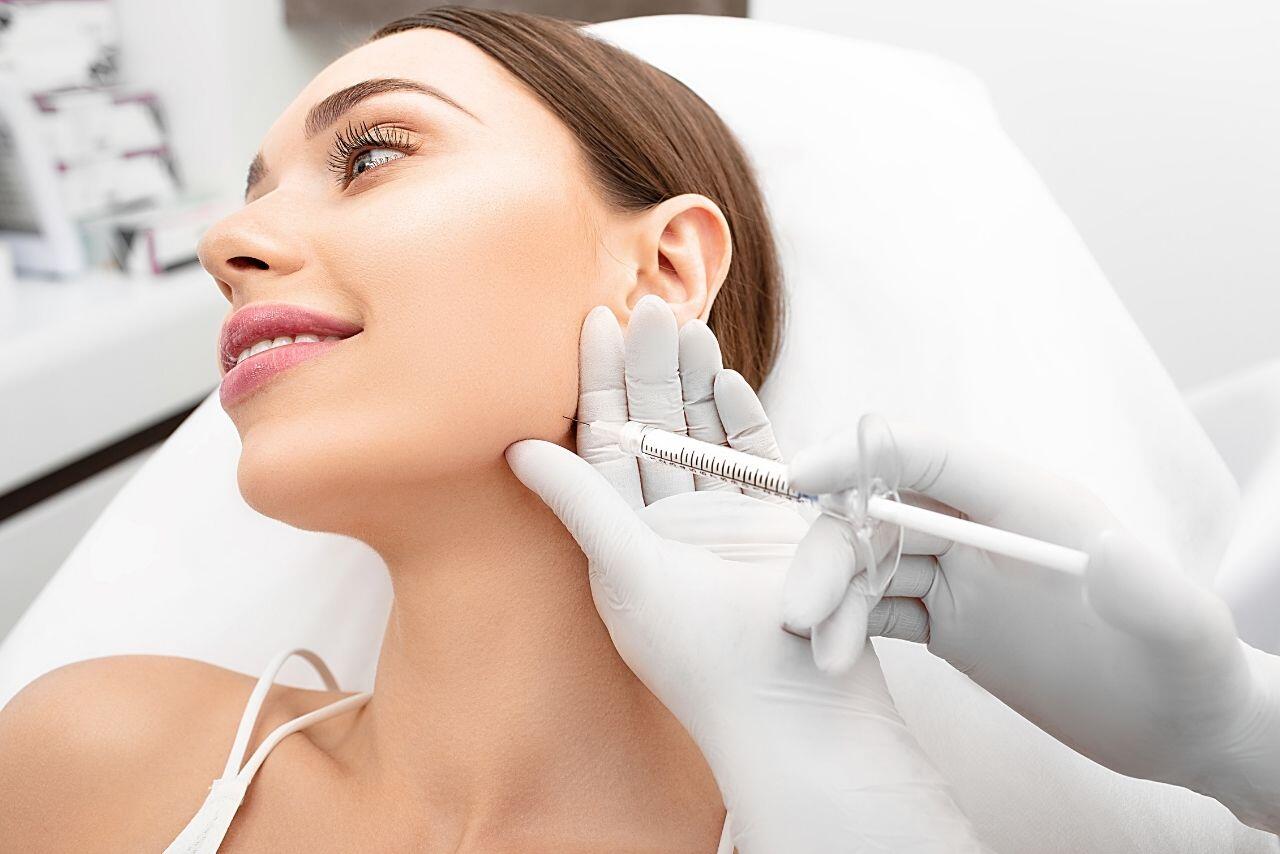
Juvéderm Dermal Fillers: Treatment Areas, Benefits, and Professional Considerations
Sun exposure, age-related collagen changes, genetics, facial movement, and tissue-volume shifts can all affect the appearance of the skin over time. For selected patients, hyaluronic acid dermal fillers such as Juvéderm may support temporary volume, contour, lip, wrinkle, fold, or facial-balancing treatment goals.
Juvéderm should not be described as the best option for every sign of ageing, a substitute for every other treatment, or a guaranteed way to create natural-looking results. Each Juvéderm product has its own formulation, treatment-area positioning, regulatory status, and safety considerations.
This professional guide reviews the Juvéderm family, common treatment areas, Vycross technology, expected results, safety considerations, and responsible product sourcing for qualified aesthetic clinics.
Explore professional dermal filler supplies available from Health Supplies Plus.
Key Takeaways
- Juvéderm is a product family: Different Juvéderm fillers are designed for different areas and clinical goals.
- HA-based fillers: Juvéderm products are hyaluronic acid fillers and may be dissolved with hyaluronidase when clinically appropriate.
- Product selection matters: Lips, cheeks, chin, jawline, temples, folds, and under-eyes require different product and safety considerations.
- Results vary: Duration and visible correction depend on the product, treatment area, amount used, anatomy, metabolism, and individual response.
- Not every concern is filler-related: Dynamic wrinkles, skin laxity, pigmentation, and texture changes may require other treatment categories.
- Safety protocols are essential: Dermal fillers can cause common temporary effects and rare serious complications, including vascular compromise.
What Is Juvéderm?
Juvéderm is a family of hyaluronic acid dermal fillers manufactured by Allergan Aesthetics. Hyaluronic acid, often abbreviated as HA, is a naturally occurring substance found in the skin and other tissues. In dermal fillers, HA is formulated into injectable gels that can provide temporary soft-tissue support.
Juvéderm products are used for different treatment goals depending on the exact product and local labelling. These may include selected facial wrinkles and folds, cheek volume, chin profile, jawline definition, lips, perioral lines, temples, or under-eye hollows, depending on the jurisdiction and product.
Clinics should not describe Juvéderm as a collagen-replacement treatment or as a universal anti-ageing solution. While some injectable treatments are designed around collagen stimulation, Juvéderm is primarily an HA filler family.
Browse professional dermal filler options at Health Supplies Plus.
How Juvéderm Works
Juvéderm fillers are injected by qualified medical professionals to provide temporary volume, contour, or wrinkle/fold support in selected areas. The effect is based on the HA gel’s placement, structure, viscosity, and tissue interaction.
Some correction may be visible soon after treatment. However, early swelling can affect the initial appearance, and the final result should be assessed after the expected settling period for the product and treatment area.
Because Juvéderm products are HA fillers, they may be dissolved or reduced with hyaluronidase when clinically appropriate. This does not make treatment risk-free, but it provides an important management option for selected HA filler complications or unwanted outcomes.
Which Areas Can Be Treated With Juvéderm?
Juvéderm treatment areas depend on the exact product and local regulatory status. Clinics should verify current labelling before presenting any product for a specific area.
| Product or Product Type | Common Treatment Positioning | Professional Consideration |
|---|---|---|
| Juvéderm Voluma | Cheek augmentation, chin profile, and temple hollowing where approved. | Used for deeper structural support; not a superficial fine-line product. |
| Juvéderm Volbella | Lip augmentation, perioral lines, and under-eye hollows where approved. | Under-eye treatment requires advanced assessment and is not suitable for every patient. |
| Juvéderm Volux | Moderate-to-severe jawline definition loss where approved. | Requires careful lower-face assessment and realistic expectations. |
| Juvéderm Vollure / Volift | Moderate-to-severe facial wrinkles and folds in selected markets. | Product name and approval status vary by market. |
| Juvéderm Ultra XC | Moderate-to-severe facial wrinkles and folds; lips and perioral area where approved. | Product choice should reflect anatomy, movement, and desired correction. |
Treatment Areas Requiring Extra Caution
Some treatment areas are more technically complex or carry higher vascular risk. Juvéderm should not be broadly marketed for every facial area without product-specific and anatomy-specific caution.
Extra caution is required for:
- Glabella or frown lines
- Forehead lines
- Nose reshaping
- Temples
- Under-eye hollows
- Periocular areas
- Thin or scarred tissue
- Earlobes or other off-label areas
- Areas with prior filler complications or migration
Dynamic lines, such as many forehead or frown lines, may be more appropriate for botulinum toxin assessment rather than filler. Nose, glabella, temple, and under-eye treatments require advanced training, conservative planning, informed consent, and emergency protocols.
What Is Vycross Technology?
Vycross is a technology used in selected Juvéderm products. It involves a combination of different HA molecular weights and cross-linking characteristics to create fillers with specific gel properties.
Products commonly associated with the Vycross family include Juvéderm Voluma, Volbella, Volux, Volite, and Volift or Vollure, depending on the market.
Clinics should avoid describing Vycross fillers as stronger, smoother, safer, or longer-lasting than all other fillers. Their suitability depends on the treatment area, tissue depth, anatomy, patient goals, and current product labelling.
Juvéderm Voluma
Juvéderm Voluma is commonly positioned for cheek augmentation, chin profile improvement, and temple hollowing in markets where those indications apply. It should be selected for deeper structural goals rather than superficial fine lines.
Juvéderm Volbella
Juvéderm Volbella is commonly positioned for lips, perioral lines, and under-eye hollow treatment where approved. Under-eye treatment requires careful diagnosis because under-eye concerns may involve pigmentation, vascular show-through, puffiness, allergies, skin laxity, or shadowing rather than volume loss alone.
Juvéderm Volift
Juvéderm Volift, known as Vollure in some markets, is commonly positioned for selected facial wrinkles and folds. Clinics should verify product naming, approval status, and treatment-area guidance in their jurisdiction.
Expected Results and Duration
Some Juvéderm effects may be visible soon after treatment, but swelling, bruising, and early tissue response can affect the initial appearance. Final assessment should occur after the expected settling period.
Result duration may depend on:
- Specific Juvéderm product used
- Treatment area
- Amount used
- Patient anatomy
- Facial movement
- Metabolism
- Skin and tissue quality
- Prior filler history
- Maintenance plan
- Individual response
Clinics should avoid guaranteeing that results will last a specific number of months for every patient. Manufacturer duration estimates should be presented as general guidance, not a promise.
Does Juvéderm Require Downtime?
Juvéderm treatment is minimally invasive, not non-invasive. Recovery varies by patient, product, treatment area, and amount used. Some patients return to many routine activities soon after treatment, but this does not mean there is no downtime for everyone.
Common temporary effects may include swelling, bruising, redness, tenderness, firmness, lumps, itching, or temporary asymmetry. These effects can be more noticeable in areas such as the lips or under-eyes.
Patient Selection for Juvéderm
A Juvéderm consultation should determine whether the patient’s concern is caused by volume loss, movement, laxity, pigmentation, texture, scar tissue, anatomy, or a combination of factors.
Assessment should include:
- Patient goals and preferred level of correction
- Facial anatomy and baseline asymmetry
- Skin thickness, elasticity, and laxity
- Depth and cause of wrinkles or folds
- Medical history and allergy review
- Medication and supplement review
- Prior filler, surgery, laser, thread, or complication history
- History of cold sores when treating lips or perioral areas
- Pregnancy or breastfeeding considerations
- Discussion of risks, alternatives, limitations, and maintenance
Patients may not be suitable if they have active infection or inflammation, severe allergy history, known hypersensitivity to product components, complex prior filler complications, unrealistic expectations, or contraindications listed in the selected product’s labelling.
Safety Profile and Possible Side Effects
Juvéderm fillers are injectable medical products and can cause side effects or complications. Safe use requires product-specific training, anatomical knowledge, sterile technique, informed consent, conservative planning, and complication-management protocols.
Common Temporary Effects
- Swelling
- Bruising
- Redness
- Tenderness
- Pain or discomfort at injection sites
- Itching
- Firmness, bumps, or temporary lumps
- Temporary asymmetry or contour irregularity
Less Common but Serious Risks
Less common but serious risks may include infection, delayed inflammatory reaction, nodules, filler migration, poor aesthetic outcome, scarring, hypersensitivity, and vascular complications.
Accidental injection of dermal filler into a blood vessel is the most serious filler risk and can cause skin necrosis, stroke, blindness, or other serious injury. Patients should be instructed to contact the clinic urgently if they experience severe pain, skin blanching, unusual discoloration, visual symptoms, worsening swelling, fever, drainage, or signs of infection.
Because Juvéderm products are HA fillers, they may be dissolved with hyaluronidase when clinically appropriate. Clinics using HA fillers should have hyaluronidase available and written protocols for suspected vascular compromise.
Aftercare and Recovery
Aftercare should be provided in writing and tailored to the product, treatment area, and patient. Depending on clinic protocol, patients may be advised to:
- Avoid strenuous exercise for a short period
- Avoid excessive heat, saunas, steam rooms, tanning, or hot yoga for a short period
- Avoid unnecessary pressure, rubbing, or massage unless instructed
- Avoid alcohol for a short period if recommended
- Avoid applying makeup or skincare actives until advised by the clinic
- Use cold compresses gently if advised
- Monitor for unusual pain, colour change, visual symptoms, or worsening swelling
- Contact the clinic promptly with concerning symptoms
- Attend follow-up assessment if recommended
Patients should not stop prescribed anticoagulants, antiplatelet medicines, anti-inflammatory medicines, or other medications unless advised by the appropriate healthcare provider.
Professional Sourcing for Juvéderm
Authentic sourcing is essential for patient safety and consistent treatment planning. Counterfeit, expired, improperly stored, diverted, or unauthorized dermal fillers can create serious medical, legal, and reputational risks.
Before purchasing Juvéderm products, clinics should verify:
- Supplier reputation and professional eligibility requirements
- Exact product name and formulation
- Jurisdiction-specific approval or authorization status
- Packaging integrity and tamper evidence
- Lot number and expiration date
- Storage and handling requirements
- Product documentation and instructions for use
- Traceability and recall procedures
- Whether prescription, import, or professional-use restrictions apply
Shop professional Juvéderm dermal fillers at Health Supplies Plus.
Juvéderm Frequently Asked Questions
Conclusion
Juvéderm offers multiple HA filler options for selected facial wrinkles, folds, lips, cheeks, chin, jawline, temples, and under-eye hollows where approved. The right product depends on the treatment area, patient anatomy, tissue depth, movement, prior filler history, and local labelling.
For clinics, responsible Juvéderm use depends on authentic sourcing, product-specific training, patient selection, informed consent, conservative planning, sterile technique, written aftercare, and clear complication-management protocols.
Explore professional dermal filler products at Health Supplies Plus.
This content is intended for professional informational purposes only and does not replace medical advice, diagnosis, treatment, emergency protocols, product-specific training, manufacturer instructions, legal guidance, regulatory guidance, or applicable clinical protocols. Juvéderm, hyaluronic acid dermal fillers, hyaluronidase, and related injectable aesthetic treatments should only be performed by qualified medical professionals in accordance with local laws, product labelling, scope-of-practice rules, storage requirements, sterile technique, and appropriate standards of care.

About the Author: Doris Dickson is a specialist writer for Health Supplies Plus, focusing on the aesthetic medicine industry. She diligently researches cosmetic treatments and products to provide clear, concise information relevant to licensed medical professionals. Her work supports Health Supplies Plus’s commitment to being a reliable informational resource and trusted supplier for the aesthetic community.
Disclaimer: The content provided in this article is intended for informational purposes only and is directed towards licensed medical professionals. It is not intended to be a substitute for professional medical advice, diagnosis, or treatment, nor does it constitute an endorsement of any specific product or technique. Practitioners must rely on their own professional judgment, clinical experience, and knowledge of patient needs, and should always consult the full product prescribing information and relevant clinical guidelines before use. Health Supplies Plus does not provide medical advice.