
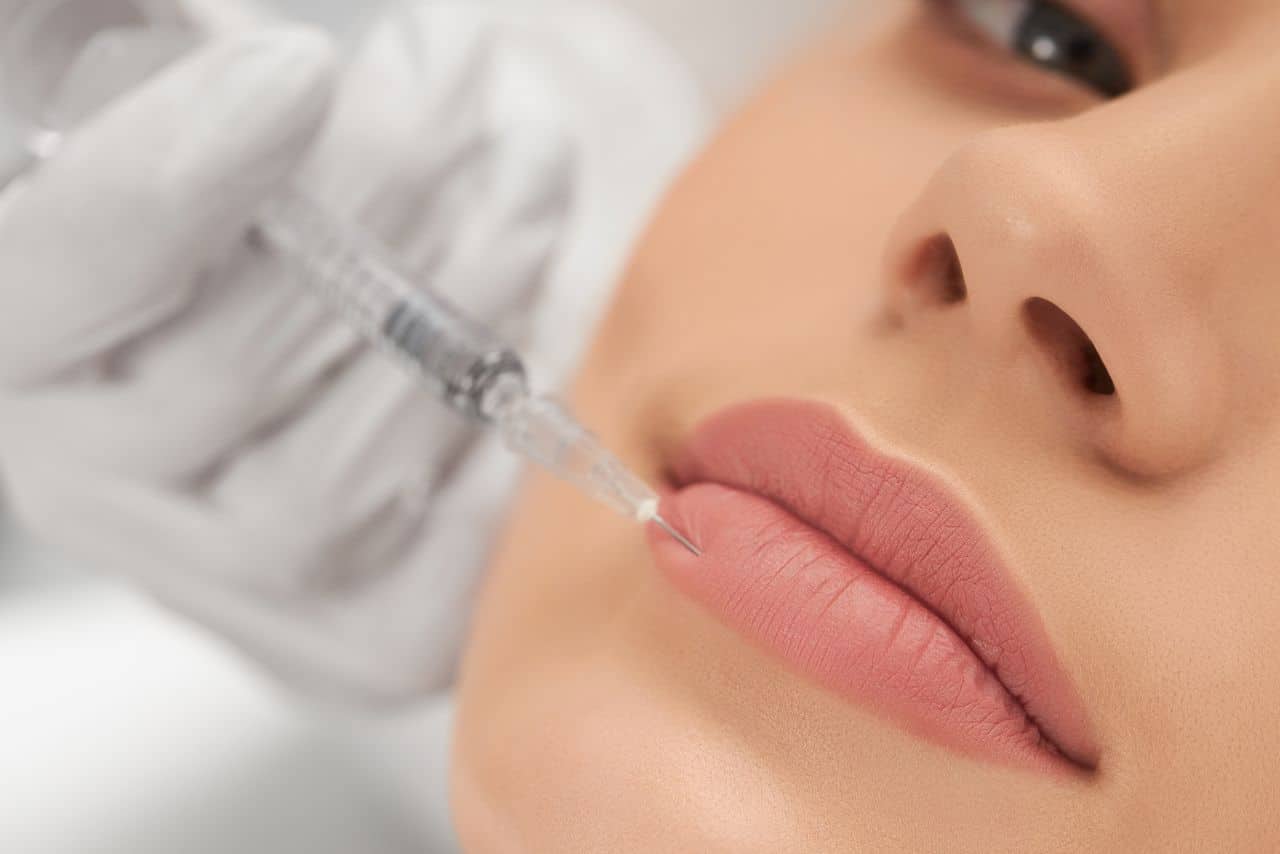
Dermal fillers are injectable medical products used by qualified aesthetic professionals to add volume, support contour, soften selected folds, enhance lips, or improve certain facial features. They may be considered for patients with appropriate anatomy, realistic expectations, and treatment goals that match what fillers can safely achieve.
For clinics, the question “Am I a candidate for dermal fillers?” should never be answered with a simple yes or no based on age alone. Patient suitability depends on anatomy, skin quality, volume loss, facial movement, medical history, previous treatments, allergies, medications, and the specific product being considered.
This guide reviews who may be a candidate for dermal fillers, how Juvéderm and Restylane products may be used in treatment planning, what happens during filler appointments, expected side effects, and professional sourcing for qualified clinics and licensed medical practitioners.
Explore professional dermal fillers available from Health Supplies Plus.
About Dermal Fillers
As the face ages, patients may notice changes in skin quality, facial volume, lip fullness, folds, contour, and overall balance. Dermal fillers may help selected patients address some of these concerns without surgery.
Fillers are not a replacement for surgical lifting, skin-tightening procedures, or treatment of significant skin laxity. Their role is typically to add volume, support structure, refine contour, soften selected folds, or enhance specific features such as the lips, cheeks, chin, or jawline depending on product guidance.
Many commonly used dermal fillers are made with hyaluronic acid, often abbreviated as HA. HA fillers may be dissolved with hyaluronidase when clinically appropriate. Other filler categories, such as calcium hydroxylapatite and poly-L-lactic acid products, behave differently and require different correction considerations.
How to Know if a Patient May Be a Good Candidate for Dermal Fillers
A good dermal filler candidate is usually an adult patient with a concern that can realistically be improved with volume, contour, or soft-tissue support. The patient should also be medically suitable and should understand that filler results are temporary.
Potential candidates may include patients with:
- Moderate facial folds or wrinkles related to volume or soft-tissue support
- Age-related volume loss in areas such as the cheeks, lips, chin, temples, or hands depending on product guidance
- Lip volume, shape, border, or symmetry concerns
- Selected contour goals involving the chin, jawline, or midface
- Realistic expectations about what fillers can and cannot do
- Willingness to follow aftercare and return for follow-up when needed
Patients may not be ideal candidates if they have active infection or inflammation near the treatment area, unrealistic expectations, significant skin laxity better suited to another treatment, certain allergies, pregnancy or breastfeeding considerations, or contraindications listed in the product instructions for use.
What Is Juvéderm Used For?
Juvéderm is a collection of hyaluronic acid dermal fillers used by qualified medical professionals for selected treatment goals. Different Juvéderm products have different gel properties, treatment areas, and approved uses, so they should not be treated as interchangeable.
Depending on the product and local regulatory guidance, Juvéderm products may be discussed for:
- Moderate to severe facial wrinkles and folds, such as nasolabial folds
- Lip augmentation and perioral area treatment
- Cheek volume support
- Chin profile improvement
- Temple hollowing correction
- Jawline definition
- Under-eye hollowing with appropriate product selection and training
Juvéderm Ultra XC and Ultra Plus XC
Juvéderm Ultra XC and Ultra Plus XC are commonly associated with correction of moderate to severe facial wrinkles and folds, such as nasolabial folds, where approved. Juvéderm Ultra XC may also be used for lip and perioral augmentation in adults over 21 where approved.
Juvéderm Voluma XC
Juvéderm Voluma XC is commonly associated with deeper structural support. It may be used for cheek volume loss, chin profile improvement, and temple hollowing correction in adults over 21 where approved.
Because Voluma is designed for deeper support, it should be used by practitioners with appropriate anatomical knowledge, product-specific training, and complication-management protocols.
What Is Restylane Used For?
Restylane is another hyaluronic acid dermal filler collection used in professional aesthetic medicine. Like Juvéderm, the Restylane family includes different products for different treatment goals.
Depending on the product and local approvals, Restylane may be discussed for:
- Moderate to severe facial wrinkles and folds, such as nasolabial folds
- Lip enhancement
- Upper perioral line correction
- Cheek augmentation and midface contour deficiencies
- Chin profile improvement with selected products where approved
- Dorsal hand volume loss with appropriate products where approved
Original Restylane
Original Restylane may be used for moderate to severe facial wrinkles and folds and for selected lip-related treatment goals where approved. It should be selected based on patient anatomy, treatment depth, and desired outcome.
Restylane Lyft
Restylane Lyft is commonly associated with deeper support, including moderate-to-severe wrinkles and folds, cheek augmentation, correction of age-related midface contour deficiencies, and dorsal hand volume loss where approved.
Restylane Kysse
Restylane Kysse is used for lip augmentation and correction of upper perioral rhytids in adults over 21 where approved. It may be considered when the treatment plan involves lip volume, shape, and movement-focused lip enhancement.
What Happens During Dermal Filler Treatments?
Dermal filler treatment should begin with consultation, not injection. The practitioner should assess the patient’s anatomy, skin quality, facial movement, volume loss, symmetry, medical history, previous filler or toxin treatment, allergies, medications, and aesthetic goals.
A typical treatment process may include:
- Consultation and assessment: The practitioner determines whether filler is appropriate and which product best matches the treatment goal.
- Informed consent: Risks, benefits, limitations, alternatives, aftercare, and expected recovery are discussed.
- Treatment planning: Injection areas are selected based on anatomy and the product being used.
- Preparation: The treatment area is cleansed, and comfort measures may be used depending on clinic protocol.
- Injection: Filler is placed using a needle, cannula, or both depending on the area, product, technique, and practitioner judgment.
- Reassessment: The practitioner evaluates symmetry, contour, and early response.
- Aftercare: Written post-treatment instructions are provided.
Common treatment areas may include:
- Lips
- Cheeks and midface
- Nasolabial folds
- Marionette lines
- Chin
- Jawline
- Temples
- Under-eye hollows in carefully selected patients with appropriate products
- Dorsal hands where product guidance supports use
Not every area is appropriate for every patient or every product. Advanced areas such as under-eyes, temples, nose, and jawline require additional anatomical training and safety protocols.
What Should Patients Expect After Dermal Fillers?
After filler treatment, patients may experience temporary swelling, bruising, redness, tenderness, firmness, or asymmetry. These effects vary by product, treatment area, injection technique, and individual response.
Some improvement may be visible soon after injection, but early swelling can affect the appearance. Patients should understand that final assessment is usually best made after the treated area has had time to settle.
Patients should receive written aftercare instructions. Depending on clinic protocol and the treatment area, they may be advised to avoid strenuous exercise, excessive heat, alcohol, unnecessary pressure, and rubbing or massaging the treated area for a short period unless instructed otherwise.
Safety Considerations for Dermal Fillers
Dermal fillers should only be administered by qualified, trained medical professionals. Safe treatment requires anatomical knowledge, sterile technique, appropriate product selection, conservative planning, informed consent, and complication-management protocols.
Common temporary side effects may include:
- Swelling
- Bruising
- Redness
- Tenderness
- Pain or discomfort at injection sites
- Firmness, lumps, or temporary asymmetry
- Itching or discoloration
Less common complications may include infection, delayed inflammatory reactions, nodules, filler migration, poor aesthetic outcome, or vascular complications.
Patients should contact the clinic urgently if they experience severe pain, skin blanching, unusual discoloration, visual symptoms, worsening swelling, fever, or signs of infection.
Clinics that offer hyaluronic acid filler treatments should have hyaluronidase available and written protocols for recognizing and managing suspected vascular compromise.
How Long Do Dermal Filler Results Last?
Dermal filler longevity varies by product, treatment area, injection technique, amount used, patient metabolism, facial movement, lifestyle factors, and individual response.
Some fillers may last several months, while others may last longer in selected areas. Clinics should avoid promising a fixed duration and should provide product-specific expectations during consultation.
Maintenance treatment may be discussed after the result has settled and the patient’s long-term goals are reviewed.
Professional Dermal Fillers for Aesthetic Clinics
Health Supplies Plus offers professional dermal fillers for qualified clinics and licensed medical practitioners, including products from the Juvéderm and Restylane collections.
Reliable sourcing supports product authenticity, storage integrity, lot tracking, inventory management, patient safety, and consistent treatment planning.
Shop professional dermal fillers at Health Supplies Plus.
Frequently Asked Questions About Dermal Fillers
How long does it take for dermal fillers to work?
Some improvement may be visible soon after treatment, especially when the goal is volume or contour. However, swelling and settling can affect the early appearance, so final assessment should occur after the area has settled.
How long do dermal filler results last?
Longevity depends on the product used, treatment area, amount placed, injection technique, patient metabolism, facial movement, and lifestyle factors. Patients should receive realistic expectations during consultation.
Who may be a candidate for dermal fillers?
Potential candidates are adult patients with appropriate volume, contour, lip, fold, or soft-tissue concerns who are medically suitable and have realistic expectations about temporary results.
Who should avoid dermal fillers?
Patients with active infection near the treatment area, certain allergies, pregnancy or breastfeeding considerations, unrealistic expectations, or product-specific contraindications may not be suitable. A consultation is required.
What is the difference between Juvéderm and Restylane?
Juvéderm and Restylane are both hyaluronic acid filler collections with multiple products. The best choice depends on the treatment area, desired result, product guidance, and practitioner experience.
Can dermal fillers treat sagging skin?
Fillers may improve selected volume or contour concerns, but they do not replace surgery or skin-tightening treatments for significant skin laxity or tissue descent.
Can dermal fillers be dissolved?
Many hyaluronic acid fillers may be dissolved with hyaluronidase when clinically appropriate. This should only be performed by a qualified medical professional after assessment.
What side effects can occur after dermal fillers?
Common temporary effects may include swelling, bruising, redness, tenderness, firmness, lumps, itching, discoloration, or temporary asymmetry. Rare but serious complications can also occur.
The Bottom Line
Dermal fillers can be useful for selected patients seeking volume restoration, contour support, lip enhancement, or softening of certain facial folds. However, they are not appropriate for every concern or every patient.
The best results come from individualized assessment, careful product selection, qualified administration, realistic expectations, and clear aftercare. Juvéderm, Restylane, and other professional filler families each offer different options that should be matched to the patient’s anatomy and treatment goals.
Explore professional dermal fillers at Health Supplies Plus.
This content is intended for professional informational purposes only and does not replace medical advice, diagnosis, treatment, emergency protocols, product-specific training, manufacturer instructions, legal guidance, regulatory guidance, or applicable clinical protocols. Dermal filler treatments should only be performed by qualified medical professionals in accordance with local laws, product labeling, scope-of-practice rules, and appropriate standards of care.

About the Author: Doris Dickson is a specialist writer for Health Supplies Plus, focusing on the aesthetic medicine industry. She diligently researches cosmetic treatments and products to provide clear, concise information relevant to licensed medical professionals. Her work supports Health Supplies Plus’s commitment to being a reliable informational resource and trusted supplier for the aesthetic community.
Disclaimer: The content provided in this article is intended for informational purposes only and is directed towards licensed medical professionals. It is not intended to be a substitute for professional medical advice, diagnosis, or treatment, nor does it constitute an endorsement of any specific product or technique. Practitioners must rely on their own professional judgment, clinical experience, and knowledge of patient needs, and should always consult the full product prescribing information and relevant clinical guidelines before use. Health Supplies Plus does not provide medical advice.