

Lip fillers are a common aesthetic treatment for patients seeking improved lip volume, shape, symmetry, border definition, or perioral refinement. While many patients associate lip filler with fuller lips, the treatment can also be used more subtly to restore age-related volume loss, soften selected lines around the mouth, or support better lip balance.
For aesthetic clinics, successful lip filler treatment depends on careful consultation, appropriate product selection, conservative technique, realistic expectations, and clear aftercare instructions. The lips are highly vascular and mobile, so treatment should only be performed by qualified medical professionals with appropriate training.
This guide reviews what lip fillers are, why patients request them, how lip filler treatments are planned, what patients can expect before and after treatment, and how clinics can support safe, natural-looking outcomes.
Explore professional dermal fillers available from Health Supplies Plus.
What Are Lip Fillers?
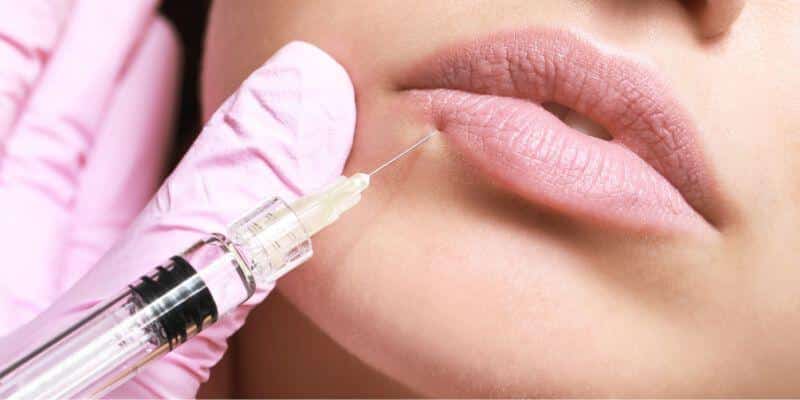
Lip fillers are injectable dermal fillers used to add volume, improve shape, define the lip border, refine symmetry, or support selected perioral treatment goals. Most modern lip fillers are made with hyaluronic acid, often abbreviated as HA.
Hyaluronic acid is a naturally occurring substance found in the body that helps support hydration, volume, and tissue structure. In aesthetic medicine, HA fillers add gel volume and support in the area where they are injected.
Popular dermal filler families such as Juvéderm and Restylane include products that may be used for lip and perioral treatment planning depending on product guidance, patient anatomy, and local approvals.
Lip filler treatment should be individualized. A patient seeking subtle border definition may need a different product and technique than a patient seeking more visible volume or restoration of age-related lip fullness.
Why Do Patients Request Lip Fillers?
Patients may request lip fillers for many reasons. The consultation should identify the patient’s true goal before product selection or injection planning.
1. To Add Lip Fullness
Some patients want increased lip volume. This may involve subtle enhancement, moderate volume, or restoration of fullness that has decreased with age.
Practitioners should evaluate natural lip shape, tissue capacity, upper-to-lower lip ratio, smile dynamics, dental support, and facial proportions before deciding how much filler is appropriate.
2. To Soften Lines Around the Mouth
Fine lines around the lips may be related to aging, sun exposure, smoking history, skin quality, repeated movement, or volume loss. HA fillers may help selected perioral lines, but not every line should be treated with filler alone.
Some patients may benefit from a combination approach that includes skincare, resurfacing, neuromodulators, or other treatments depending on the cause of the lines.
3. To Define Lip Shape
Some patients want a clearer lip border, more defined Cupid’s bow, or improved separation between the lip and surrounding skin. In these cases, the goal may be refinement rather than obvious volume.
Border definition should be planned conservatively to avoid an overfilled or unnatural appearance.
4. To Improve Lip Symmetry
Lip asymmetry can be natural or may result from aging, trauma, scarring, dental changes, or previous filler. Fillers may help improve selected asymmetries, but perfect symmetry is not realistic.
Practitioners should document baseline asymmetry and discuss realistic correction before treatment.
Are Lip Fillers Safe?
Lip fillers can be used safely in appropriate patients when administered by qualified, trained medical professionals. However, they are injectable medical products and can cause side effects or complications.
Common temporary side effects may include:
- Swelling
- Bruising
- Redness
- Tenderness
- Pinpoint bleeding at injection sites
- Firmness or temporary asymmetry
- Cold sore reactivation in patients with a history of herpes simplex outbreaks
Less common complications may include infection, delayed inflammatory reactions, nodules, filler migration, poor aesthetic outcome, prolonged swelling, or vascular complications.
Patients should contact the clinic urgently if they experience severe pain, skin blanching, unusual discoloration, visual symptoms, worsening swelling, fever, or signs of infection.
Many HA fillers may be dissolved with hyaluronidase when clinically appropriate. This can be useful for selected unwanted results or complication management, but dissolving filler is still a medical procedure and should only be performed by a qualified professional after assessment.
Clinics can also review Dermal Filler Removal for related patient-education content.
Who May Be a Candidate for Lip Filler?
Lip filler may be considered for adult patients who are medically suitable and have realistic expectations about temporary filler results. Good candidates may want subtle volume, restored fullness, improved symmetry, border definition, or perioral refinement.
Patients may require caution, delay, or avoidance of treatment if they have:
- Active infection, inflammation, acne flare, or irritation near the lips
- Active cold sore outbreak
- Known hypersensitivity to product components or lidocaine
- Pregnancy or breastfeeding considerations
- Relevant autoimmune, inflammatory, or immune-related conditions
- Recent dental work, facial procedure, laser treatment, or chemical peel
- Complex prior filler history or suspected filler migration
- Unrealistic expectations or goals unsuitable for filler
Patients should not be advised to stop prescribed medications unless this is coordinated with the appropriate healthcare provider.
Can Very Thin Lips Become Much Larger With One Treatment?
Patients with naturally thin lips may be interested in more noticeable volume, but anatomy and tissue capacity matter. Very large changes are not always realistic or advisable in one session.
Overfilling the lips can create excessive projection, distortion, migration, discomfort, or an unnatural appearance. A staged approach is often safer and more natural-looking, especially for first-time patients or patients with limited lip volume.
Practitioners should explain that lip enhancement is usually best approached gradually. Follow-up allows the lips to settle before deciding whether additional refinement is appropriate.
When Will Patients See Results?
Some improvement may be visible immediately after lip filler treatment, but early swelling can make the lips appear fuller than the final result. Bruising, tenderness, and temporary asymmetry may also affect the early appearance.
Clinics should advise patients that final assessment is best made after swelling has settled. Follow-up timing depends on clinic protocol, product used, treatment performed, and patient response.
How Long Do Lip Fillers Last?
Lip filler results are temporary. Longevity varies depending on the product used, amount injected, injection technique, patient metabolism, lip movement, lifestyle factors, and individual response.
Because the lips are highly mobile, lip filler may require maintenance sooner than filler placed in less mobile areas. Clinics should avoid promising a fixed duration and should provide realistic expectations during consultation.
What Should Patients Do Before Lip Filler Treatment?
Pre-treatment instructions should be tailored to the patient and clinic protocol. The goal is to reduce avoidable bruising, irritation, and infection risk while ensuring the patient is medically suitable for treatment.
Before treatment, clinics may advise patients to:
- Disclose all medications, supplements, allergies, and medical conditions
- Tell the clinic about any history of cold sores
- Avoid alcohol for a short period before treatment if recommended
- Avoid scheduling treatment immediately before major events
- Postpone treatment if they have an active infection, cold sore, or significant skin irritation near the lips
- Discuss recent dental work, facial treatments, vaccines, or procedures with the practitioner
Patients taking prescription blood thinners, anti-inflammatory medications, or other medically necessary treatments should not stop them without guidance from the appropriate healthcare provider.
What Happens During a Lip Filler Treatment?
A lip filler appointment should begin with consultation, consent, assessment, and treatment planning. The practitioner should review the patient’s goals, medical history, lip anatomy, previous filler history, and possible risks before treatment.
Comfort measures may include topical numbing, ice, vibration, local anesthetic, or use of a lidocaine-containing filler depending on clinic protocol and patient suitability.
During treatment, the practitioner may use a needle, cannula, or a combination depending on the product, treatment goal, anatomy, and technique. Filler may be placed in selected areas such as the lip body, vermilion border, Cupid’s bow, oral commissures, or perioral lines depending on the plan.
Injection volume should be individualized. Clinics should avoid presenting 1 mL or any other amount as a universal starting point for every patient.

What Should Patients Expect After Lip Filler Treatment?
After treatment, patients may experience swelling, bruising, tenderness, redness, firmness, or temporary asymmetry. These effects are common after lip injections and usually improve as the area settles.
Depending on clinic protocol, aftercare may include:
- Applying cold compresses gently if advised
- Avoiding strenuous exercise for 24 to 48 hours
- Avoiding excessive heat, saunas, steam rooms, or hot yoga for a short period
- Avoiding alcohol for a short period if recommended
- Avoiding unnecessary touching, rubbing, or massage unless instructed
- Avoiding lip cosmetics for a short period if advised by the clinic
- Being careful with dental hygiene and avoiding unnecessary lip trauma while tender
- Contacting the clinic with concerning symptoms
Patients should be told not to massage or manipulate the lips unless the treating practitioner specifically instructs them to do so.
Professional Lip Fillers for Aesthetic Clinics
Health Supplies Plus offers professional dermal fillers for qualified clinics and licensed medical practitioners, including products from the Juvéderm and Restylane collections that may be used in lip and perioral treatment planning where appropriate.
Reliable sourcing supports product authenticity, storage integrity, lot tracking, inventory management, patient safety, and consistent clinical outcomes.
Shop professional dermal fillers at Health Supplies Plus.
Frequently Asked Questions About Lip Fillers
What are lip fillers?
Lip fillers are injectable dermal fillers used to add volume, improve shape, define the lip border, refine symmetry, or support selected perioral treatment goals.
What are most lip fillers made of?
Most modern lip fillers are made with hyaluronic acid, a substance naturally found in the body that supports hydration and tissue volume.
Why do patients get lip fillers?
Patients may seek lip fillers for volume, symmetry, lip border definition, Cupid’s bow refinement, perioral line softening, or restoration of age-related lip fullness.
Can lip fillers treat lines around the mouth?
HA fillers may help selected perioral lines, but not all lines are best treated with filler alone. Some patients may need skincare, resurfacing, neuromodulators, or combination treatment.
Are lip fillers safe?
Lip fillers can be used safely in appropriate patients by qualified professionals, but side effects and complications can occur. Patients should receive informed consent and clear aftercare instructions.
Can lip fillers be dissolved?
Many HA lip fillers may be dissolved with hyaluronidase when clinically appropriate. This should only be performed by a qualified medical professional after assessment.
How much lip filler should a first-time patient receive?
The appropriate amount depends on anatomy, tissue capacity, previous filler history, and goals. A conservative or staged approach is often preferred for first-time patients.
When will lip filler swelling go down?
Swelling varies by patient, product, amount used, and technique. Patients should follow clinic aftercare instructions and wait until swelling settles before judging the final result.
How long do lip fillers last?
Lip filler longevity varies by product, injection technique, patient metabolism, lip movement, lifestyle factors, and individual response. Maintenance may be needed over time.
Who should perform lip filler treatments?
Lip filler treatments should only be performed by qualified, trained medical professionals in accordance with applicable laws, product instructions, clinical standards, and appropriate safety protocols.
Conclusion
Lip filler treatment can support many patient goals, from subtle refinement to more visible volume. The best outcomes depend on accurate consultation, appropriate product choice, conservative technique, realistic expectations, and clear follow-up planning.
For clinics, lip filler should be approached as a medical aesthetic treatment that requires anatomical knowledge, product familiarity, safety protocols, authentic sourcing, and careful patient education.
Explore professional lip fillers and dermal fillers at Health Supplies Plus.
This content is intended for professional informational purposes only and does not replace medical advice, diagnosis, treatment, emergency protocols, product-specific training, manufacturer instructions, legal guidance, regulatory guidance, or applicable clinical protocols. Dermal filler treatments should only be performed by qualified medical professionals in accordance with local laws, product labeling, scope-of-practice rules, and appropriate standards of care.

About the Author: Doris Dickson is a specialist writer for Health Supplies Plus, focusing on the aesthetic medicine industry. She diligently researches cosmetic treatments and products to provide clear, concise information relevant to licensed medical professionals. Her work supports Health Supplies Plus’s commitment to being a reliable informational resource and trusted supplier for the aesthetic community.
Disclaimer: The content provided in this article is intended for informational purposes only and is directed towards licensed medical professionals. It is not intended to be a substitute for professional medical advice, diagnosis, or treatment, nor does it constitute an endorsement of any specific product or technique. Practitioners must rely on their own professional judgment, clinical experience, and knowledge of patient needs, and should always consult the full product prescribing information and relevant clinical guidelines before use. Health Supplies Plus does not provide medical advice.