
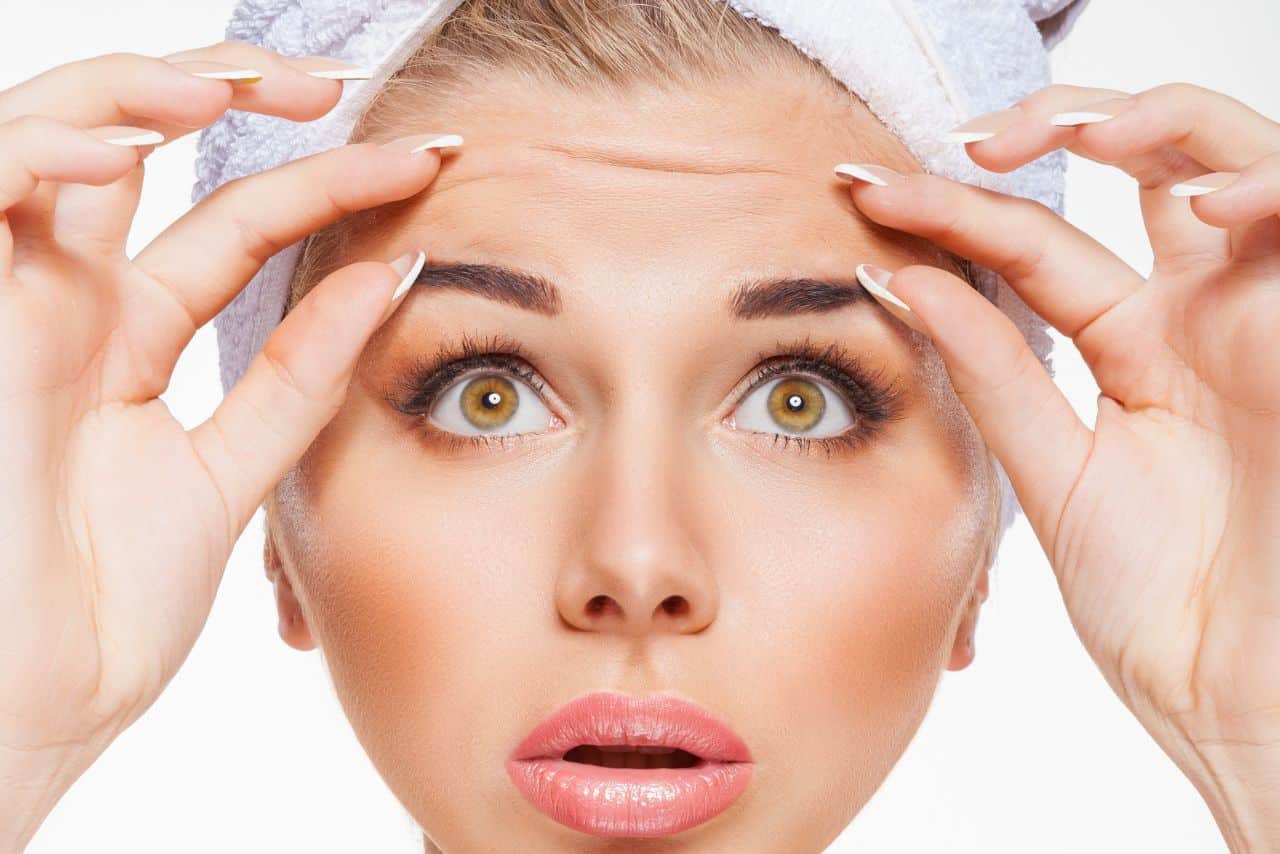
Wrinkles, folds, volume loss, and skin texture changes are among the most common concerns discussed in aesthetic consultations. While facial aging is a natural process, visible lines can be influenced by many factors, including repeated facial movement, collagen and elastin changes, sun exposure, smoking, skin quality, facial volume loss, and genetics.
For aesthetic clinics, understanding the different types of facial lines can help support better patient education, more realistic expectations, and more personalized treatment planning. Not every wrinkle has the same cause, and not every concern should be treated with the same product or procedure.
Below is a professional overview of common wrinkle types, facial folds, and related treatment categories that may be discussed in aesthetic practice.
Types of Wrinkles and Facial Aging Concerns
1. Glabella Lines
Glabella lines are the vertical lines that appear between the eyebrows. They are often associated with repeated contraction of the muscles used when frowning, concentrating, or squinting. Over time, these lines may become visible even when the face is at rest.
In aesthetic consultations, glabella lines are commonly discussed in relation to dynamic facial movement, skin quality, and the patient’s overall upper-face treatment goals.
2. Lip Lines
Lip lines are fine vertical lines that appear around the mouth. They may be influenced by aging, sun exposure, smoking, repeated lip pursing, skin thinning, and collagen loss. Because of their association with repeated mouth movement, they are sometimes referred to as smoker’s lines.
Treatment planning for lip lines may involve a combination of skin quality improvement, professional skincare, resurfacing treatments, neuromodulators, or carefully selected dermal fillers, depending on the patient’s anatomy and goals.
3. Under-Eye Lines
Fine lines under the eyes can be influenced by age, sun damage, smoking, skin laxity, dehydration, repeated smiling or squinting, and the naturally delicate structure of the under-eye area. These lines may appear uneven from one side of the face to the other.
The under-eye area requires careful assessment because concerns in this region may involve skin texture, pigmentation, volume loss, hollowing, or shadowing rather than wrinkles alone.
4. Crow’s Feet
Crow’s feet are the lines that extend outward from the corners of the eyes. They often become more noticeable with smiling, squinting, and repeated facial expression. Because the skin around the eyes is thin, these lines may appear earlier than some other facial wrinkles.
Clinics may evaluate crow’s feet in relation to dynamic muscle movement, skin quality, sun exposure, and the patient’s desired level of expression preservation.
5. Forehead Lines
Forehead lines, sometimes called worry lines or expression lines, are horizontal lines that appear across the forehead. They are commonly associated with repeated lifting of the eyebrows and other facial expressions.
These lines may be dynamic at first, appearing only with movement, and may become more visible at rest as skin elasticity changes over time.
6. Marionette Lines
Marionette lines are creases or folds that extend downward from the corners of the mouth toward the chin. They may become more noticeable as facial volume changes, skin support decreases, and lower-face laxity develops.
For many patients, marionette lines are part of a broader lower-face aging pattern that may also involve jawline changes, chin shadowing, and reduced skin firmness.
7. Nasolabial Folds
Nasolabial folds run from the sides of the nose toward the corners of the mouth. They are sometimes called smile lines because they become more visible during smiling and other expressions.
As the face ages, changes in cheek support, facial fat distribution, skin elasticity, and tissue descent may make these folds appear deeper. Treatment planning may involve evaluating both the fold itself and the surrounding midface structure.
8. Tear Troughs
Tear trough concerns are often described by patients as under-eye hollows, shadows, or bags. While they may look like discoloration, they can also be influenced by volume loss, skin laxity, anatomy, and the way light reflects in the under-eye area.
This is a delicate treatment area and should only be assessed and treated by appropriately trained professionals using suitable products and techniques.
9. Mental Crease
The mental crease, also called the labiomental crease, is the horizontal fold between the lower lip and the chin. It may be influenced by chin anatomy, muscle movement, dental structure, soft tissue support, and aging.
Patients with a prominent mental crease may benefit from a full lower-face assessment rather than isolated treatment of the line alone.
10. Neck Lines
Neck lines may appear as horizontal bands, creases, or textural changes. They can be influenced by aging, genetics, skin laxity, sun exposure, posture, repeated movement, and frequent downward head positioning, sometimes referred to as “tech neck.”
Because the neck has thinner skin and different structural support than the face, treatment planning often requires a careful combination approach.
11. Sagging or Deflated Brows
Brow ptosis, or brow descent, occurs when the brow area appears lower or heavier. This may be influenced by skin laxity, muscle activity, volume changes, and aging of the upper face.
Aesthetic assessment of the brow area should consider the forehead, eyelids, temples, and overall facial balance, rather than focusing only on the brow position.
12. Hollow Temples
Hollow temples can develop as a result of facial volume loss, fat pad changes, bone structure, and aging. This can create a more tired or gaunt appearance in some patients.
Temple hollowing is an advanced treatment area that requires strong anatomical knowledge and appropriate product selection.
13. Pitted Scars
Pitted scars are small indentations in the skin that may develop after acne, inflammation, injury, or other skin trauma. Acne-related pitted scars can be especially challenging because they may involve changes in collagen, skin thickness, and dermal structure.
Treatment options may vary depending on the depth, type, and pattern of scarring. Clinics may consider resurfacing treatments, peels, microneedling, injectables, or combination protocols depending on the patient’s needs.
Treatment Categories for Wrinkles, Folds, and Skin Aging Concerns
Wrinkle treatment is not one-size-fits-all. The most appropriate approach depends on whether the concern is caused primarily by muscle movement, volume loss, skin laxity, texture changes, collagen loss, pigmentation, or a combination of factors.
Hyaluronic Acid Dermal Fillers
Hyaluronic acid is a naturally occurring substance found in the skin and connective tissue. In aesthetic medicine, hyaluronic acid dermal fillers are commonly used by qualified professionals to help address selected concerns such as facial volume loss, folds, contour changes, and certain lines.
Many popular dermal fillers contain hyaluronic acid as a key ingredient. Product selection should be based on the treatment area, patient anatomy, desired result, product characteristics, and practitioner experience.
Thread Lifts
A thread lift is a non-surgical aesthetic procedure that uses absorbable threads or sutures to help lift and support selected areas of the face or neck. Thread lifts may be considered for appropriate patients with mild to moderate laxity.
Thread procedures require proper training, patient selection, anatomical understanding, and careful technique. They may also be combined with other aesthetic treatments when clinically appropriate.
Chemical Peels
Chemical peels are used to improve the appearance of skin texture, tone, and superficial signs of aging. They work by exfoliating controlled layers of the skin, helping reveal a fresher-looking surface as the skin renews.
Chemical peels may be helpful for concerns such as dullness, uneven tone, fine lines, texture irregularities, and some types of pigmentation. Deeper wrinkles, folds, or significant volume loss may require other treatment categories or a combination approach.
Professional Skincare and Prevention
Preventive skincare remains an important part of long-term skin health. Clinics can help patients understand the role of daily broad-spectrum sunscreen, barrier-supporting skincare, hydration, smoking avoidance, nutrition, and consistent routines.
While aging cannot be stopped, patient education can help support healthier-looking skin and may improve the overall success of professional aesthetic treatments.
Choosing the Right Treatment Approach
Before recommending any aesthetic treatment, practitioners should evaluate the patient’s facial anatomy, skin quality, medical history, treatment goals, expectations, and previous procedures. The same visible wrinkle may have different causes in different patients, which is why consultation and assessment are essential.
For example, a line caused mainly by repeated muscle movement may require a different approach than a fold caused by volume loss or tissue descent. Similarly, skin texture concerns may be better addressed with skincare, peels, microneedling, or resurfacing rather than filler alone.
Professional Aesthetic Supplies for Clinics
Health Supplies Plus offers a selection of professional aesthetic medical supplies for qualified clinics and licensed medical practitioners. Clinics can explore products across categories such as dermal fillers, threads and sutures, and peels and masks.
View professional dermal filler products at Health Supplies Plus.
Frequently Asked Questions About Wrinkles and Aesthetic Treatments
What causes wrinkles?
Wrinkles may be caused by a combination of aging, repeated facial movement, collagen and elastin changes, sun exposure, smoking, dehydration, genetics, skin laxity, and facial volume loss. Different wrinkle types may require different treatment approaches.
What are dynamic wrinkles?
Dynamic wrinkles are lines that appear during facial movement, such as smiling, frowning, squinting, or raising the eyebrows. Over time, some dynamic lines may become visible even when the face is at rest.
What are static wrinkles?
Static wrinkles are lines or folds that are visible when the face is relaxed. They may be influenced by collagen loss, skin laxity, sun damage, volume loss, and long-term repeated facial movement.
Can dermal fillers treat all wrinkles?
No. Dermal fillers are not appropriate for every wrinkle or every patient. Fillers are often used for selected concerns related to volume loss, folds, contour changes, and some lines. Other concerns may be better addressed with neuromodulators, skincare, peels, lasers, microneedling, threads, or combination treatment plans.
What treatments are commonly discussed for facial aging?
Common treatment categories may include dermal fillers, neuromodulators, chemical peels, thread lifts, skin boosters, microneedling, laser treatments, professional skincare, and other aesthetic procedures. The right option depends on the patient’s anatomy, goals, skin quality, and clinical assessment.
Who should perform injectable aesthetic treatments?
Injectable aesthetic treatments should only be performed by qualified, trained medical professionals in accordance with applicable laws, regulations, product instructions, and clinical standards.
This content is intended for professional informational purposes only and does not replace medical advice, diagnosis, treatment, product-specific training, manufacturer instructions, or applicable clinical guidelines. Aesthetic treatments should only be performed by qualified medical professionals in accordance with local laws, regulations, and product guidance.

About the Author: Doris Dickson is a specialist writer for Health Supplies Plus, focusing on the aesthetic medicine industry. She diligently researches cosmetic treatments and products to provide clear, concise information relevant to licensed medical professionals. Her work supports Health Supplies Plus’s commitment to being a reliable informational resource and trusted supplier for the aesthetic community.
Disclaimer: The content provided in this article is intended for informational purposes only and is directed towards licensed medical professionals. It is not intended to be a substitute for professional medical advice, diagnosis, or treatment, nor does it constitute an endorsement of any specific product or technique. Practitioners must rely on their own professional judgment, clinical experience, and knowledge of patient needs, and should always consult the full product prescribing information and relevant clinical guidelines before use. Health Supplies Plus does not provide medical advice.