
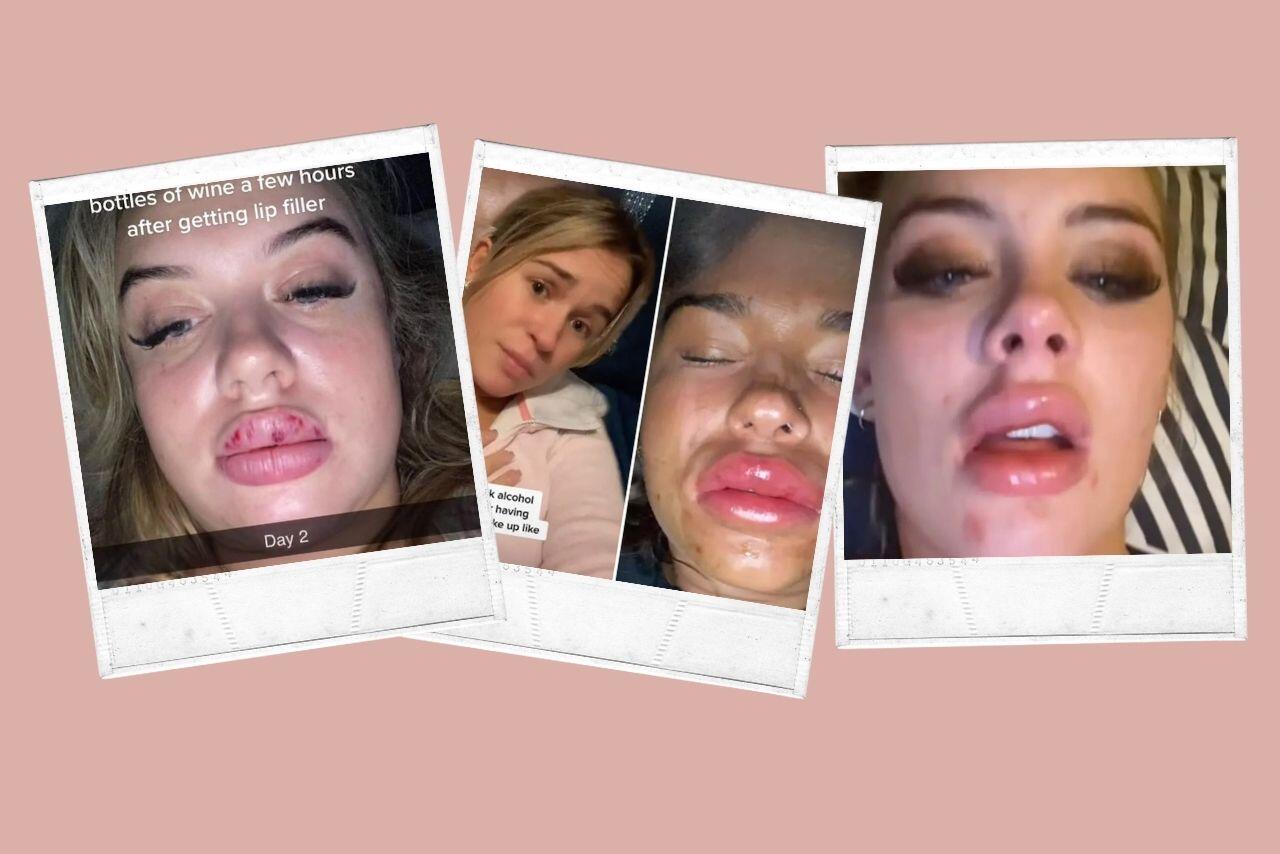
Lip filler treatment is one of the most popular applications of hyaluronic acid (HA) dermal fillers. Although the procedure itself is relatively quick, appropriate aftercare remains an important part of the treatment experience.
One common patient question is: Can you drink alcohol after lip fillers?
In general, patients are advised to avoid or minimize alcoholic beverages immediately following treatment. For example, current Juvéderm® aftercare guidance recommends minimizing alcohol during the first 24 hours after injection because it may contribute to temporary redness, swelling, itching, or other treatment-site reactions.
This guide explains why alcohol and fresh lip filler are not an ideal combination, what patients can expect after treatment, and the other aftercare instructions practitioners should discuss.
For a broader overview of injectable products, practitioners can also review professional dermal fillers available from Health Supplies Plus.
This article is intended for professional educational purposes. Aftercare instructions should follow the current manufacturer guidance for the specific filler administered and should be individualized according to the patient and procedure.
Key Takeaways
- Avoid or minimize alcohol immediately after filler: Juvéderm recommends minimizing alcoholic beverages for the first 24 hours following treatment.
- Alcohol can worsen temporary reactions: Drinking may contribute to increased redness, swelling, or bruising around a recent injection.
- Lip swelling is already common: The lips can swell noticeably after filler even when a patient follows aftercare instructions perfectly.
- Alcohol does not make HA filler absorb extra circulating water: The old explanation that drinking alcohol causes filler to “pull in” dramatically more water is misleading.
- Product-specific guidance matters: Different filler manufacturers may provide different aftercare recommendations.
- Unusual symptoms need prompt attention: Severe pain, blanching, unusual skin discoloration, vision changes, or neurological symptoms are not routine post-filler swelling.
Can You Drink Alcohol After Lip Fillers?
Patients should generally avoid drinking alcohol immediately after lip filler treatment.
For Juvéderm injectable fillers, the manufacturer recommends minimizing alcoholic beverages during the first 24 hours after treatment. The same guidance also applies to strenuous exercise and extensive exposure to sun or heat.
The purpose is not because alcohol will chemically damage the filler. Instead, alcohol can influence vascular response and may contribute to temporary redness, bruising, or swelling around an area that has already undergone multiple injections.
If the filler manufacturer or treating practitioner recommends a longer period without alcohol, the patient should follow that specific guidance.
Why Can Alcohol Make Bruising or Swelling Worse?
Dermal filler injections temporarily disrupt facial tissue and small blood vessels. Bruising, swelling, tenderness, and redness are therefore recognized short-term reactions following treatment.
Alcohol can contribute to vasodilation and may also affect normal platelet and bleeding responses. Around the time of an injectable procedure, these effects may make bruising or swelling more noticeable in some patients.
This is especially relevant in the lips because the area is highly vascular and can already develop significant temporary swelling after injection.
Does Alcohol Make Hyaluronic Acid Filler Absorb More Water?
Hyaluronic acid does have the ability to bind water, which is one of the characteristics that makes it useful in dermal fillers.
However, patients should not be told that drinking alcohol causes additional water to circulate through the bloodstream and become “locked” into the filler. That explanation oversimplifies both HA behavior and post-injection swelling.
Swelling after lip filler is primarily related to the injection procedure, local tissue response, properties of the filler, and individual patient factors.
Alcohol may aggravate that temporary reaction, but not because an alcoholic drink suddenly supplies the filler with additional water.
How Much Swelling Is Normal After Lip Filler?
Some degree of swelling following lip filler treatment is common.
Other temporary treatment-site reactions can include:
- Redness
- Bruising
- Tenderness
- Pain
- Firmness
- Lumps or bumps
- Itching
- Discoloration
The appearance immediately after treatment should not necessarily be considered the final result because swelling can temporarily make the lips appear larger or less symmetrical.
FDA guidance notes that swelling and bruising are among the common effects of dermal filler injections and that many reactions resolve within days to weeks.
How Long Should Patients Avoid Alcohol After Lip Fillers?
For patients treated with Juvéderm, current manufacturer guidance recommends minimizing alcoholic beverages for the first 24 hours after treatment.
Rather than applying a universal 24-, 48-, or 72-hour rule to every filler, practitioners should base their instructions on:
- The specific product administered
- Manufacturer aftercare information
- The treatment performed
- The patient’s medical history
- The patient’s degree of bruising or swelling
- Practitioner clinical judgment
A patient with substantial swelling or bruising may reasonably be advised to continue avoiding alcohol until the acute reaction has improved.
What Else Should Patients Avoid After Lip Filler?
Current Juvéderm guidance recommends several precautions during the early post-treatment period.
Avoid Strenuous Exercise
Strenuous exercise should be minimized during the first 24 hours following Juvéderm treatment because it may worsen temporary redness, swelling, or itching.
Limit Excessive Heat and Sun Exposure
Patients should minimize extensive sun or heat exposure during the first 24 hours.
This can include activities such as prolonged sun exposure, hot tubs, saunas, or other situations involving substantial heat.
Wait Before Applying Makeup
Current Juvéderm guidance recommends avoiding makeup for approximately 12 hours following treatment.
Patients should follow the instructions supplied by their practitioner because recommendations can differ according to product and procedure.
Should Patients Massage Their Lips After Filler?
Patients should not automatically massage, squeeze, or manipulate freshly treated lips unless specifically instructed to do so by their injector.
Whether massage is appropriate depends on the product, technique, treatment objective, and clinical situation.
The safest general instruction is to avoid unnecessary pressure or manipulation and follow the treating practitioner’s product-specific advice.
Can Patients Exercise After Lip Fillers?
For Juvéderm treatment, strenuous exercise should be minimized for the first 24 hours.
Normal light daily activity is different from vigorous exercise. Practitioners should provide individualized instructions where the patient has questions about a specific activity.
What About Alcohol Before Lip Filler?
Alcohol intake should also be discussed during the pre-treatment consultation.
Because alcohol may contribute to bruising or bleeding, many practitioners recommend avoiding it around the time of injectable treatment.
The patient’s medication and supplement history should also be reviewed because substances such as aspirin, ibuprofen, anticoagulants, and certain other medications may increase the likelihood of bruising or bleeding.
Patients should never discontinue medically necessary prescription medication simply to reduce cosmetic bruising without consulting the clinician responsible for that medication.
When Swelling After Lip Filler May Require Urgent Evaluation
Ordinary lip swelling is common after dermal filler treatment, but not every unusual change should be assumed to be harmless swelling.
The FDA identifies accidental injection into a blood vessel as the most serious potential complication associated with dermal fillers.
Patients should be instructed to seek immediate medical evaluation for symptoms such as:
- Unusual or severe pain
- Blanching or whitening of the skin
- Gray, blue, dusky, or unusual skin discoloration
- Rapidly worsening symptoms
- Vision changes
- Signs or symptoms suggestive of stroke
Vascular complications are uncommon, but they require prompt recognition and management because they can result in tissue injury, visual impairment, blindness, or stroke.
Frequently Asked Questions About Alcohol and Lip Fillers
Can I drink alcohol the same day as lip filler?
It is better to avoid alcohol immediately following treatment. Juvéderm currently recommends minimizing alcoholic beverages for the first 24 hours after injection.
Can alcohol ruin lip filler?
Alcohol does not normally “destroy” hyaluronic acid filler. The concern is that drinking soon after treatment may worsen temporary swelling, redness, or bruising.
Does alcohol make lip filler swell?
Alcohol may contribute to increased temporary swelling in some patients. However, swelling is already a common reaction to lip filler itself and varies substantially from person to person.
How long after lip filler can I drink alcohol?
Juvéderm recommends minimizing alcohol for the first 24 hours. Patients should follow the instructions for the exact filler used and any additional recommendations from their injector.
Why are my lips swollen after filler?
Injection-related tissue trauma and the body’s local inflammatory response commonly cause temporary swelling after lip filler treatment. The characteristics and amount of filler and individual patient response can also influence swelling.
Can I go out the night after lip fillers?
Social activity itself is not necessarily a problem, but patients should follow aftercare instructions. That includes avoiding alcohol and strenuous activity when advised and protecting the newly treated area from unnecessary pressure or manipulation.
Can I wear makeup after lip fillers?
Juvéderm currently recommends avoiding makeup for approximately 12 hours following treatment. Advice may differ with other products or procedures.
Good Aftercare Helps Set Appropriate Patient Expectations
Alcohol after lip filler is best avoided during the immediate post-treatment period—not because a drink will suddenly cause hyaluronic acid to absorb large quantities of water, but because alcohol can potentially aggravate the temporary bruising, redness, and swelling that already occur following injections.
Clear aftercare instructions also help patients understand that some swelling is normal and prevent them from judging their final results too early.
For practices, the most useful approach is to provide written product-specific aftercare instructions and make sure patients know which symptoms are expected and which require immediate attention.
Shop Professional Lip and Dermal Fillers
Health Supplies Plus offers qualified aesthetic professionals access to a broad selection of professional dermal fillers, including HA products used for lip augmentation and other approved aesthetic applications.
Practitioners can also review Juvéderm Volbella and other professional lip filler options according to their practice needs and applicable product labeling.

About the Author: Doris Dickson is a specialist writer for Health Supplies Plus, focusing on the aesthetic medicine industry. She diligently researches cosmetic treatments and products to provide clear, concise information relevant to licensed medical professionals. Her work supports Health Supplies Plus’s commitment to being a reliable informational resource and trusted supplier for the aesthetic community.
Disclaimer: The content provided in this article is intended for informational purposes only and is directed towards licensed medical professionals. It is not intended to be a substitute for professional medical advice, diagnosis, or treatment, nor does it constitute an endorsement of any specific product or technique. Practitioners must rely on their own professional judgment, clinical experience, and knowledge of patient needs, and should always consult the full product prescribing information and relevant clinical guidelines before use. Health Supplies Plus does not provide medical advice.