
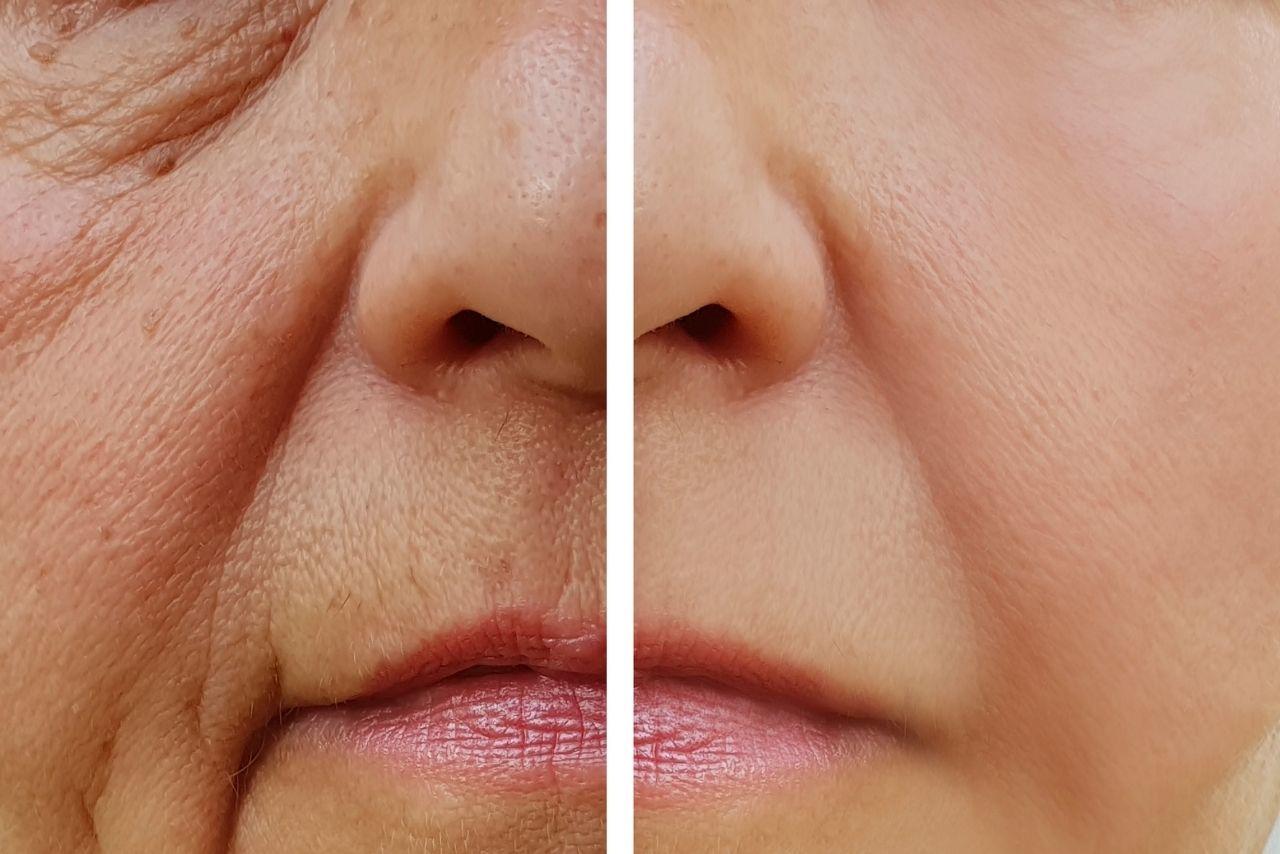
Facial wrinkles develop for many reasons. Aging is one of the most important factors, but it is not the only one. Changes in collagen, elastin, hyaluronic acid, facial volume, hydration, skin thickness, sun exposure, lifestyle habits, and repeated facial movement can all influence how and when lines appear.
For aesthetic clinics, understanding the different types of wrinkles can help support better patient education and more personalized treatment planning. Not all wrinkles form in the same way, and not all wrinkles respond to the same treatment approach.
This guide explains common wrinkle types, contributing factors, prevention strategies, and professional treatment categories that may be discussed in aesthetic consultations.
Explore professional dermal fillers available from Health Supplies Plus.
What Causes Facial Wrinkles?
Wrinkles can develop as the skin gradually loses structural support. Collagen contributes to firmness, elastin supports flexibility, and hyaluronic acid helps the skin retain hydration. As these components change with age, the skin may appear thinner, drier, looser, or more creased.
External and lifestyle factors may also contribute to premature-looking wrinkles. These may include:
- UV exposure from the sun or tanning devices
- Smoking
- Pollution and environmental stressors
- Poor sleep
- Dehydration
- Nutrition and overall health factors
- Repeated facial expressions
- Natural facial volume loss
- Genetics
Because wrinkles can have multiple causes, clinics should assess the patient’s skin quality, anatomy, lifestyle factors, and goals before recommending a treatment plan.
Types of Wrinkles
Wrinkles are often grouped into two broad categories: dynamic wrinkles and static wrinkles. However, there are also more specific wrinkle patterns that can help practitioners understand the underlying cause of a patient’s concern.
Dynamic Wrinkles
Dynamic wrinkles are lines that appear with repeated facial movement. They may be visible when a patient smiles, frowns, squints, raises the eyebrows, or purses the lips. In younger skin, these lines may disappear when the face relaxes. Over time, they can become more visible at rest.
Common examples include crow’s feet, forehead lines, glabella lines between the brows, and some lines around the mouth.
Static Wrinkles
Static wrinkles are lines or folds that remain visible even when the face is relaxed. They may be influenced by collagen and elastin changes, skin laxity, sun exposure, volume loss, gravity, and long-term repeated movement.
Static wrinkles may appear on the face, neck, chest, cheeks, or around the mouth, depending on the patient’s anatomy and aging pattern.
5 Common Wrinkle Patterns Clinics Should Recognize
1. Atrophic Wrinkles
Atrophic wrinkles are fine, shallow lines that may appear in areas where the skin has become thinner or less supported. They are often associated with collagen and elastin changes, sun damage, and skin thinning.
These lines may look like fine crinkles and may become less visible when the skin is gently stretched. Treatment planning may focus on skin quality, collagen support, hydration, resurfacing, and prevention of further damage.
2. Dryness-Related Wrinkles
Dryness-related wrinkles are fine lines that become more noticeable when the skin lacks adequate hydration or barrier support. They may appear on areas such as the forehead, cheeks, or chest, especially in patients with dry or mature skin.
These lines may improve in appearance when the skin barrier is supported with appropriate skincare, hydration, and professional treatment planning. However, deeper lines or folds may require additional treatment categories.
3. Elastic Creases
Elastic creases are lines that develop in areas repeatedly folded or exposed to long-term environmental stress. They are commonly associated with cumulative sun exposure, smoking, and collagen or elastin damage.
These creases may appear on the cheeks, upper lip, neck, or other sun-exposed areas. Prevention and management often focus on sun protection, smoking avoidance, skin quality improvement, and appropriate aesthetic treatments.
4. Dynamic Expression Lines
Dynamic expression lines are caused by repeated muscle movement. Facial expressions such as smiling, frowning, squinting, and lip pursing can create lines that become more visible over time.
Clinics may evaluate whether these lines are still primarily dynamic or whether they have become static. This distinction can help guide whether neuromodulators, dermal fillers, skincare, resurfacing treatments, or combination approaches may be appropriate.
5. Gravitational Folds
Gravitational folds are deeper folds that may become more noticeable as skin support, tissue position, and facial volume change over time. Common examples include nasolabial folds and marionette lines.
These folds are often influenced by midface support, facial fat changes, skin laxity, and natural aging. Treatment planning may require assessing surrounding structures rather than treating the fold alone.
How Clinics Can Help Patients Prevent Premature-Looking Wrinkles
While wrinkles cannot be completely prevented, certain habits may help delay or reduce premature-looking skin aging. Patient education is an important part of long-term aesthetic care.
Clinics may advise patients to focus on:
- Daily broad-spectrum sunscreen use
- Protective clothing, hats, and shade when appropriate
- Avoiding tanning beds
- Not smoking
- Maintaining consistent skincare
- Supporting the skin barrier with hydration and moisturizers
- Using evidence-based ingredients such as retinoids or exfoliating acids when appropriate
- Eating a balanced diet and maintaining overall health
- Following professional guidance for skin treatments
Ingredients such as retinoids, alpha hydroxy acids, and beta hydroxy acids may be useful in some skincare routines, but they are not appropriate for every patient. Patients should receive individualized recommendations based on skin type, sensitivity, treatment history, and clinical goals.
Treatment Categories for Wrinkles and Facial Aging
The best treatment approach depends on the type of wrinkle, the cause of the concern, the patient’s anatomy, and the desired outcome. In many cases, a combination plan may be more appropriate than a single treatment.
Professional Skincare
Professional skincare can help support skin hydration, texture, tone, barrier function, and long-term skin health. Products containing ingredients such as retinoids, antioxidants, moisturizers, exfoliating acids, and sunscreen may be discussed depending on the patient’s needs.
Chemical Peels
Chemical peels may help improve the appearance of dullness, uneven texture, superficial fine lines, and certain pigmentation concerns. The appropriate peel depth and formulation should be selected based on skin type, treatment goals, and practitioner assessment.
Dermal Fillers
Dermal fillers may be used by qualified medical professionals to help address selected concerns such as facial volume loss, folds, contour changes, and certain lines. Hyaluronic acid fillers are commonly used in aesthetic medicine because they can support volume and hydration in selected treatment areas.
Dermal fillers are not appropriate for every wrinkle or every patient. Product selection should be based on anatomy, treatment area, desired outcome, product characteristics, and clinical judgment.
Neuromodulators
Neuromodulators may be discussed for dynamic wrinkles caused by repeated muscle movement, such as frown lines, forehead lines, and crow’s feet. These treatments work differently from dermal fillers and may be used alone or as part of a broader aesthetic plan.
Thread Treatments and Skin Support Procedures
Thread treatments may be considered in selected patients with mild to moderate laxity. Other skin support procedures may include microneedling, laser treatments, radiofrequency, or other energy-based options depending on clinic offerings and patient suitability.
Professional Dermal Fillers for Aesthetic Clinics
For clinics offering injectable treatments, reliable access to professional dermal filler products is important for patient care, treatment planning, and inventory management. Health Supplies Plus offers dermal fillers for qualified clinics and licensed medical practitioners.
Clinics can also explore popular filler brands and categories, including Restylane and other professional aesthetic products.
Shop professional dermal fillers at Health Supplies Plus.
Frequently Asked Questions About Wrinkles
What causes wrinkles?
Wrinkles may be caused by a combination of aging, collagen and elastin changes, dehydration, repeated facial movement, sun exposure, smoking, environmental stress, facial volume loss, genetics, and skin laxity.
What is the difference between dynamic and static wrinkles?
Dynamic wrinkles appear during facial movement, such as smiling, frowning, or squinting. Static wrinkles remain visible when the face is relaxed and may be influenced by skin laxity, collagen loss, sun damage, gravity, and volume changes.
Can wrinkles be prevented?
Wrinkles cannot be fully prevented, but premature-looking skin aging may be reduced with consistent sun protection, smoking avoidance, appropriate skincare, healthy lifestyle habits, and professional guidance.
Can dermal fillers treat wrinkles?
Dermal fillers may help address selected wrinkles, folds, volume loss, and contour concerns. They are not suitable for every type of wrinkle. A qualified practitioner should assess the cause of the wrinkle before recommending treatment.
What treatments are commonly used for wrinkles?
Common wrinkle-related treatment categories may include professional skincare, sunscreen, retinoids, chemical peels, neuromodulators, dermal fillers, microneedling, laser treatments, thread treatments, and combination plans.
Who should perform injectable wrinkle treatments?
Injectable aesthetic treatments should only be performed by qualified, trained medical professionals in accordance with applicable laws, regulations, product instructions, and clinical standards.
Where can clinics buy dermal fillers online?
Qualified aesthetic clinics and licensed medical practitioners can explore professional dermal filler products through Health Supplies Plus. Product availability may vary by region, practitioner eligibility, and applicable regulations.
View dermal fillers available from Health Supplies Plus.
This content is intended for professional informational purposes only and does not replace medical advice, diagnosis, treatment, product-specific training, manufacturer instructions, legal guidance, or applicable clinical guidelines. Aesthetic treatments should only be performed by qualified medical professionals in accordance with local laws, regulations, product guidance, and appropriate standards of care.

About the Author: Doris Dickson is a specialist writer for Health Supplies Plus, focusing on the aesthetic medicine industry. She diligently researches cosmetic treatments and products to provide clear, concise information relevant to licensed medical professionals. Her work supports Health Supplies Plus’s commitment to being a reliable informational resource and trusted supplier for the aesthetic community.
Disclaimer: The content provided in this article is intended for informational purposes only and is directed towards licensed medical professionals. It is not intended to be a substitute for professional medical advice, diagnosis, or treatment, nor does it constitute an endorsement of any specific product or technique. Practitioners must rely on their own professional judgment, clinical experience, and knowledge of patient needs, and should always consult the full product prescribing information and relevant clinical guidelines before use. Health Supplies Plus does not provide medical advice.