
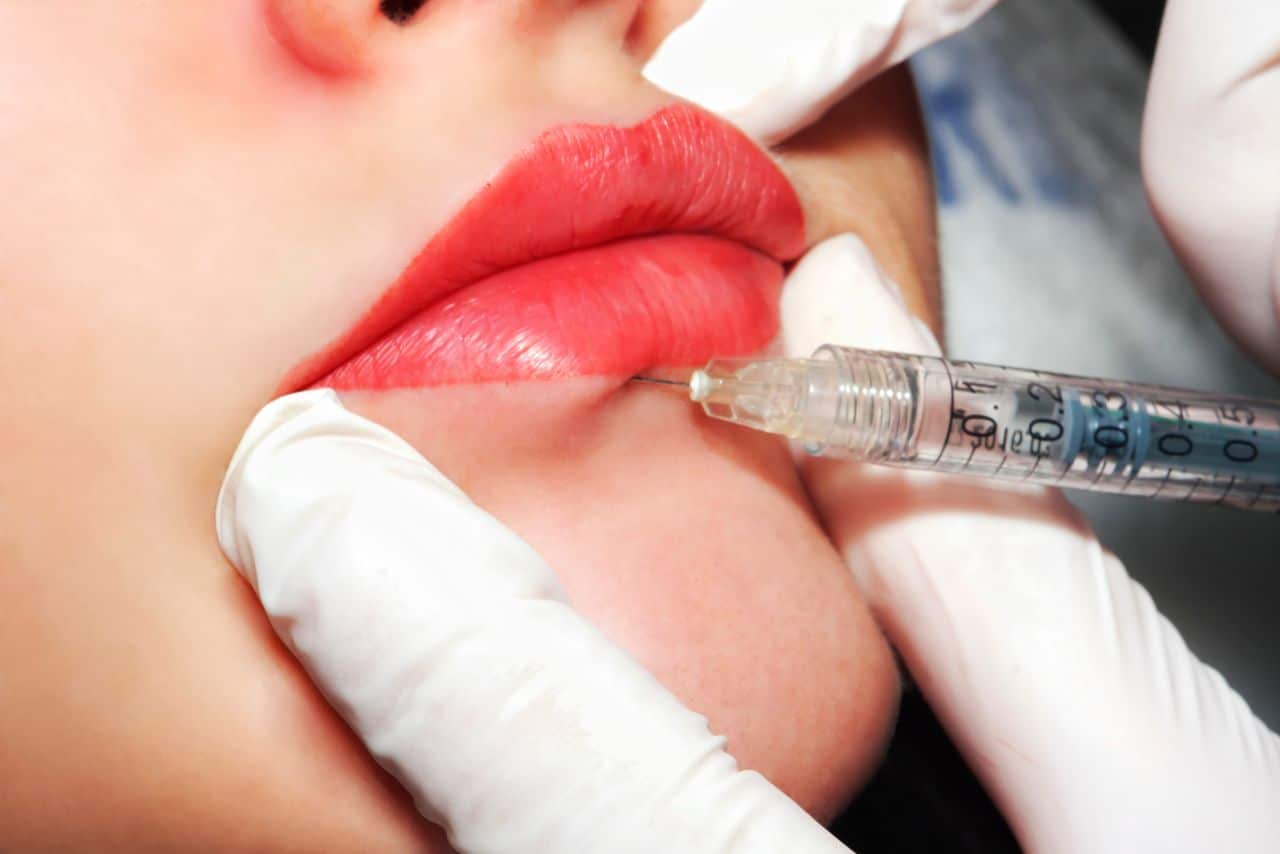
Lip Augmentation With Dermal Fillers: Professional Guide for Aesthetic Clinics
Lip augmentation is a common aesthetic treatment category for patients seeking selected improvements in lip volume, shape, definition, symmetry, or perioral lines. Hyaluronic acid dermal fillers are often used for lip enhancement because they provide temporary, adjustable results when selected and administered appropriately by qualified professionals.
However, lip filler treatment should not be presented as simple, risk-free, or suitable for every patient. The lips are highly vascular, dynamic, and anatomically complex. Safe treatment depends on careful patient selection, product-specific training, realistic goals, sterile technique, informed consent, aftercare, and complication-management protocols.
This professional guide reviews dermal fillers for lip augmentation, including product selection, consultation, treatment planning, safety considerations, aftercare, and professional sourcing.
Key Takeaways
- Lip fillers are medical injectables: They should only be purchased, stored, handled, and administered by qualified professionals.
- Product selection matters: Not every HA filler is appropriate for lips, perioral lines, or vermilion-border definition.
- Results should be individualized: Lip shape, volume, symmetry, dental support, facial proportions, and patient goals all affect treatment planning.
- Claims should be realistic: Clinics should avoid promising “perfect,” “natural,” “immediate,” “risk-free,” or “no downtime” results.
- Technique details belong in training: Public-facing content should not provide injection depths, points, amounts, cannula/needle instructions, or complication-treatment protocols.
- Safety protocols are essential: Lip fillers can cause common temporary effects and rare serious complications, including vascular compromise.
What Is Lip Augmentation?
Lip augmentation refers to aesthetic treatments intended to support selected lip goals, such as volume, shape, border definition, hydration appearance, symmetry, or perioral-line improvement. Dermal fillers are one common non-surgical option for lip augmentation, but they are not the only possible approach.
Professional lip assessment may consider:
- Upper-to-lower lip proportion
- Vermilion border definition
- Cupid’s bow shape
- Philtral column appearance
- Lip hydration appearance
- Perioral lines
- Smile animation
- Dental support and bite pattern
- Facial proportions and profile
- Baseline asymmetry
- Prior filler history
Clinics should avoid treating lip augmentation as a trend-driven procedure. A professional plan should respect the patient’s anatomy and avoid overfilling, distortion, migration, or unrealistic proportions.
The Evolution of Lip Augmentation
Lip augmentation has evolved significantly over time. Earlier approaches included surgical implants, fat transfer, and collagen-based products. While some of these options may still be discussed in selected contexts, modern HA fillers are often preferred for temporary, adjustable lip enhancement.
Hyaluronic acid fillers changed the lip augmentation category because they may allow:
- Temporary enhancement
- Gradual treatment planning
- Product selection based on lip goal
- Adjustment over time
- Potential dissolving with hyaluronidase when clinically appropriate
Even with these advantages, HA lip filler is not risk-free. Safe treatment depends on the correct product, qualified administration, accurate anatomy knowledge, conservative planning, and clear emergency protocols.

Understanding Dermal Fillers for Lips
Dermal fillers are injectable products used to support selected soft-tissue goals. Depending on the exact product and current product documentation, fillers may be used for lips, facial folds, wrinkles, cheeks, chin, hands, or other treatment areas.
For lip augmentation, clinics most commonly evaluate hyaluronic acid fillers. Other filler categories, such as calcium hydroxylapatite, poly-L-lactic acid, or permanent fillers, are generally not approached the same way as HA lip fillers and may not be appropriate for routine lip augmentation.
Common filler categories include:
- Hyaluronic acid fillers: Temporary gel fillers commonly used for selected lip, fold, line, or contour goals depending on product documentation.
- Calcium hydroxylapatite fillers: Used for selected contour or fold goals, but not dissolved with hyaluronidase like HA fillers.
- Poly-L-lactic acid injectables: Biostimulatory products that work gradually and are not conventional lip fillers.
- Permanent or semi-permanent fillers: Require careful risk discussion and are generally approached with additional caution.
Clinics should not assume that any filler used elsewhere on the face is appropriate for lips. Lip tissue is mobile, sensitive, vascular, and visually unforgiving when product selection or placement is poor.
Why HA Fillers Are Commonly Used for Lips
Hyaluronic acid fillers are commonly used in the lips because they provide temporary soft-tissue support and may be dissolved with hyaluronidase when clinically appropriate. This adjustability can be valuable in a highly visible and dynamic treatment area.
Potential HA lip filler goals may include:
- Subtle volume support
- More noticeable volume increase in appropriate patients
- Vermilion-border definition
- Cupid’s bow refinement
- Improved appearance of lip asymmetry
- Softening selected upper perioral lines where supported by product documentation
- Support for a smoother or more hydrated-looking lip appearance
Clinics should avoid saying that HA fillers are automatically safer, more natural-looking, or appropriate for every patient. Results depend on patient anatomy, product choice, treatment plan, practitioner skill, and healing response.
Choosing Lip Fillers: Juvéderm, Restylane, Belotero, and Others
Several HA filler families include products that may be considered for lip or perioral treatment goals, depending on current documentation. Product names, availability, and indications may vary, so clinics should verify the exact product before use.
| Filler Family | Potential Lip/Perioral Role | Professional Consideration |
|---|---|---|
| Juvéderm | Selected lip augmentation or perioral goals depending on the exact product. | Products in the Juvéderm family are not interchangeable; verify current documentation. |
| Restylane | Selected lip augmentation, lip definition, or upper perioral-line goals depending on the exact product. | Restylane lip products differ from structural cheek, chin, fold, or hand products. |
| Belotero | Selected fine-line or perioral correction goals depending on the exact product. | Should not be assumed appropriate for every lip-volume goal. |
| Other HA Fillers | May support selected lip goals where product documentation and practitioner training support use. | Clinics should verify labelling, rheology, reversibility considerations, and safety profile. |
Product selection should consider the patient’s goal. A filler suited for soft lip hydration appearance may not be the best choice for border definition or volume support. A filler suited for structural facial contouring may not be appropriate for delicate lip tissue.
Clinics should avoid saying one brand is universally best for lips. The right product depends on anatomy, movement, tissue quality, prior filler, swelling tendency, desired degree of change, and current product documentation.
Patient Selection and Consultation
A professional consultation should determine whether lip filler is appropriate and whether the patient’s goals can be achieved safely and realistically.
The consultation should include:
- Patient goals and preferred level of change
- Assessment of upper and lower lip proportions
- Baseline symmetry and smile animation
- Vermilion border and Cupid’s bow assessment
- Perioral lines and skin quality
- Dental support, bite pattern, and profile considerations
- Prior lip filler, dissolving, surgery, trauma, or complication history
- History of cold sores or herpes simplex outbreaks
- Medical history and allergy review
- Medication and supplement review
- Bleeding or bruising risk
- Pregnancy or breastfeeding considerations
- Upcoming dental work, events, travel, or procedures
- Discussion of risks, alternatives, limitations, and maintenance
- Informed consent and product documentation
Patients may not be suitable if they have active infection or inflammation near the treatment area, active cold sores, known hypersensitivity to product components, severe allergy history, complex prior filler complications, unrealistic expectations, significant body-image distress, pregnancy or breastfeeding considerations, or contraindications listed in current product documentation.
Reference photos can help patients communicate preferences, but they should not be treated as guarantees. The final plan should be based on the patient’s own anatomy and safe aesthetic limits.

Professional Treatment Planning
Lip filler should only be administered by qualified professionals using current product documentation and appropriate clinical protocols. Public-facing content should not provide injection depths, injection points, product amounts, needle/cannula instructions, or step-by-step technique guidance.
A responsible professional workflow may include:
- Confirming the patient is an appropriate candidate
- Selecting the exact filler based on the treatment goal
- Reviewing current product documentation
- Explaining realistic goals and limitations
- Discussing swelling, bruising, asymmetry, and migration risk
- Obtaining informed consent
- Preparing the area according to sterile clinic protocol
- Performing treatment conservatively and reassessing as appropriate
- Documenting product name, lot number, expiration date, and treatment area
- Providing written aftercare and urgent-warning instructions
- Scheduling follow-up assessment when appropriate
Clinics should avoid suggesting that any single technique, needle, cannula, or product eliminates bruising, swelling, vascular risk, asymmetry, or dissatisfaction. Risk reduction depends on anatomy knowledge, product selection, patient assessment, conservative planning, sterile technique, and complication-management readiness.
Side Effects, Risks, and Complications
Lip fillers can cause common temporary effects and less common serious complications. The lips may swell noticeably because of their vascularity and movement, and patients should be counselled about expected early changes before treatment.
Common Temporary Effects
- Swelling
- Bruising
- Redness
- Tenderness
- Pain or discomfort at injection sites
- Itching
- Firmness
- Lumps or temporary bumps
- Temporary asymmetry
- Discoloration
Lip-Specific Concerns
- Temporary overfilled appearance from swelling
- Unevenness or asymmetry
- Migration or border blurring
- Visible or palpable filler
- Cold sore reactivation
- Difficulty assessing final shape until swelling resolves
- Patient dissatisfaction if expectations were unrealistic
Less Common but Important Risks
Less common risks may include infection, delayed inflammatory reaction, nodules, granulomas, filler migration, poor aesthetic outcome, scarring, hypersensitivity, and vascular complications.
Accidental injection of dermal filler into a blood vessel is the most serious filler risk and can cause skin necrosis, stroke, blindness, or other serious injury. Patients should be instructed to contact the clinic urgently if they experience severe pain, skin blanching, unusual discoloration, visual symptoms, worsening swelling, fever, drainage, or signs of infection.
Because many lip fillers are HA-based, hyaluronidase may be considered by qualified professionals when clinically appropriate. Reversibility does not remove the need for careful product selection, conservative planning, sterile technique, and emergency protocols.
Managing Patient Concerns and Complications
Clinics should have written protocols for routine post-treatment effects and urgent complications. Public-facing articles should not provide emergency dosing, injection routes, or step-by-step vascular-occlusion treatment instructions. Those details belong in professional training, internal protocols, and emergency-response planning.
Clinic protocols should address:
- Expected swelling and bruising
- Persistent lumps, bumps, firmness, or contour irregularity
- Cold sore reactivation
- Delayed inflammatory reactions
- Allergic or hypersensitivity reactions
- Infection signs
- Suspected vascular compromise
- When hyaluronidase may be appropriate
- Emergency referral pathways when needed
- Adverse-event documentation and follow-up
Patients should receive written instructions explaining what is expected, what is not expected, and how to contact the clinic with urgent symptoms.
Aftercare and Follow-Up
Aftercare should be tailored to the product, treatment area, and patient. Lip filler aftercare should account for swelling, bruising, movement, oral hygiene, dental procedures, cold sore risk, and patient expectations.
Depending on clinic guidance, patients may be advised to:
- Avoid strenuous exercise for a short period
- Avoid excessive heat, saunas, steam rooms, tanning, or hot yoga for a short period
- Avoid unnecessary pressure, rubbing, or massage unless instructed
- Avoid alcohol for a short period if recommended
- Avoid applying makeup or lip products until advised by the clinic
- Use cold compresses gently if advised
- Avoid dental work or other facial procedures near the treatment date unless cleared by the clinic
- Follow cold sore prevention guidance if prescribed or recommended
- Monitor for unusual pain, color change, visual symptoms, or worsening swelling
- Contact the clinic promptly with concerning symptoms
- Attend follow-up assessment if recommended
Patients should not stop prescribed anticoagulants, antiplatelet medicines, anti-inflammatory medicines, or other medications unless advised by the appropriate healthcare provider. Patients using medications or supplements that affect bleeding or bruising risk should discuss this during consultation.
Patients should also understand that early swelling can exaggerate the result. Additional filler should not be added simply because the patient is impatient during the early healing period; follow-up decisions should be based on professional reassessment.
Combining Lip Fillers With Other Treatments
Lip filler may be part of a broader perioral or facial aesthetic plan. Combination treatment should be individualized and carefully sequenced.
Depending on the patient’s concerns, related treatment categories may include:
- Neuromodulators for selected dynamic perioral movement concerns
- Skin boosters for selected skin-quality goals
- Professional skincare for barrier, pigment, or texture support
- Chemical peels for selected tone or texture concerns
- Microneedling for selected texture or scar concerns
- Laser or light-based treatments for selected pigment, redness, or resurfacing goals
- Surgical consultation for structural or functional concerns where appropriate
Timing should consider swelling, bruising, inflammation, infection risk, cold sore risk, healing time, and the ability to assess results clearly. Combination treatment should not be marketed as automatically safer, faster, or more effective.
Future Trends and Practice Considerations
Lip augmentation continues to evolve, but clinics should evaluate trends carefully. Patient preferences may shift toward more subtle results, correction of overfilled lips, dissolving prior filler, or natural facial balance rather than dramatic enlargement.
Professional trends may include:
- More conservative product placement
- Greater attention to full-face balance
- More product-specific lip filler selection
- Improved patient education about swelling and maintenance
- Stronger protocols for dissolving and managing complications
- Better documentation and photography standards
- More careful marketing around realistic outcomes
Clinics should avoid chasing social-media lip trends without anatomy-based assessment. Overfilling, repeated treatment without reassessment, and unrealistic shape goals can increase the risk of unnatural results and patient dissatisfaction.
Professional Sourcing for Lip Fillers
Authentic sourcing is essential for patient safety and consistent treatment planning. Counterfeit, expired, improperly stored, diverted, or unauthorized dermal fillers can create serious medical, legal, and reputational risks.
Before purchasing lip fillers, clinics should verify:
- Supplier reputation and professional eligibility requirements
- Exact product name and formulation
- Current product documentation
- Whether the product is appropriate for lip or perioral use
- Packaging integrity and tamper evidence
- Sterile barrier integrity
- Lot number and expiration date
- Storage and handling requirements
- Shipping and delivery procedures
- Traceability and recall procedures
- Whether prescription, import, medical-device, or professional-use restrictions apply
Clinics should inspect every shipment on arrival, record lot and expiration details, store products according to current labelling, and quarantine any product with damaged packaging, unclear origin, mismatched documentation, broken sterile barrier, expired dating, or storage concerns.
Licensed medical professionals can view dermal fillers at Health Supplies Plus.
Lip Filler Frequently Asked Questions
Conclusion
Lip augmentation with dermal fillers can be a valuable professional treatment category when the correct product is matched to the correct patient, anatomy, and goal. HA fillers may support selected volume, definition, symmetry, or perioral-line goals, but they should not be marketed as risk-free, permanent, universally natural-looking, or suitable for every patient.
For clinics, responsible lip filler treatment depends on patient assessment, product-specific selection, current documentation, sterile technique, informed consent, conservative planning, written aftercare, adverse-event protocols, and authentic sourcing.
As patient preferences evolve, clinics should prioritize anatomical balance, realistic expectations, and long-term safety over trend-driven overfilling or dramatic transformations.
Licensed medical professionals can buy dermal fillers online at Health Supplies Plus.

About the Author: Doris Dickson is a specialist writer for Health Supplies Plus, focusing on the aesthetic medicine industry. She diligently researches cosmetic treatments and products to provide clear, concise information relevant to licensed medical professionals. Her work supports Health Supplies Plus’s commitment to being a reliable informational resource and trusted supplier for the aesthetic community.
Disclaimer: The content provided in this article is intended for informational purposes only and is directed towards licensed medical professionals. It is not intended to be a substitute for professional medical advice, diagnosis, or treatment, nor does it constitute an endorsement of any specific product or technique. Practitioners must rely on their own professional judgment, clinical experience, and knowledge of patient needs, and should always consult the full product prescribing information and relevant clinical guidelines before use. Health Supplies Plus does not provide medical advice.