

Running a successful medispa or aesthetic clinic requires more than offering high-quality treatments. In a competitive local market, clinics also need consistent visibility, patient trust, strong follow-up systems, and a clear reason for potential clients to choose their practice over another provider.
For aesthetic clinics that offer treatments such as dermal fillers, injectables, skincare, peels, threads, and other non-surgical cosmetic services, marketing should feel professional, trustworthy, and patient-focused. The goal is not just to attract new clients, but to build long-term relationships with patients who return and refer others.
Below are eight practical marketing ideas aesthetic clinics can use to increase local visibility, improve patient retention, and support sustainable practice growth.
Explore more resources for aesthetic clinics and medical professionals.
8 Marketing Ideas for Aesthetic Clinics and Medispas
1. Promote Seasonal Offers and Treatment Packages
Many patients plan aesthetic treatments around life events, holidays, vacations, weddings, reunions, photoshoots, or seasonal changes. This makes seasonal marketing a useful way for clinics to connect treatments with real patient motivations.
Examples of seasonal campaigns may include:
- Summer skincare and sun-damage prevention campaigns
- Holiday refresh packages
- Wedding and event preparation timelines
- Mother’s Day or Valentine’s Day gift-card promotions
- Back-to-routine fall skincare treatments
- Winter hydration and skin barrier repair offers
Seasonal promotions should be clear, time-limited, and easy to understand. Clinics should also avoid overpromising results or making unrealistic claims. A strong campaign should educate patients, highlight appropriate treatment options, and encourage consultation with a qualified professional.
For clinics offering injectable services, reliable access to products such as dermal fillers can help support inventory planning for seasonal demand.
2. Optimize Your Google Business Profile
Local search is one of the most important marketing channels for aesthetic clinics. When potential patients search for services such as dermal fillers, lip filler, Botox, chemical peels, or medispas near them, your Google Business Profile can strongly influence whether they call, book, or visit your website.
Your Google Business Profile should include accurate, up-to-date information such as:
- Clinic name
- Address and service area
- Phone number
- Website link
- Hours of operation
- Service categories
- Photos of the clinic
- Appointment or booking links where available
- Patient reviews and professional responses
Clinics should also use Google Business Profile posts to share updates, treatment education, seasonal offers, new services, and clinic announcements. These posts can help keep the profile active and give prospective patients more reasons to engage.
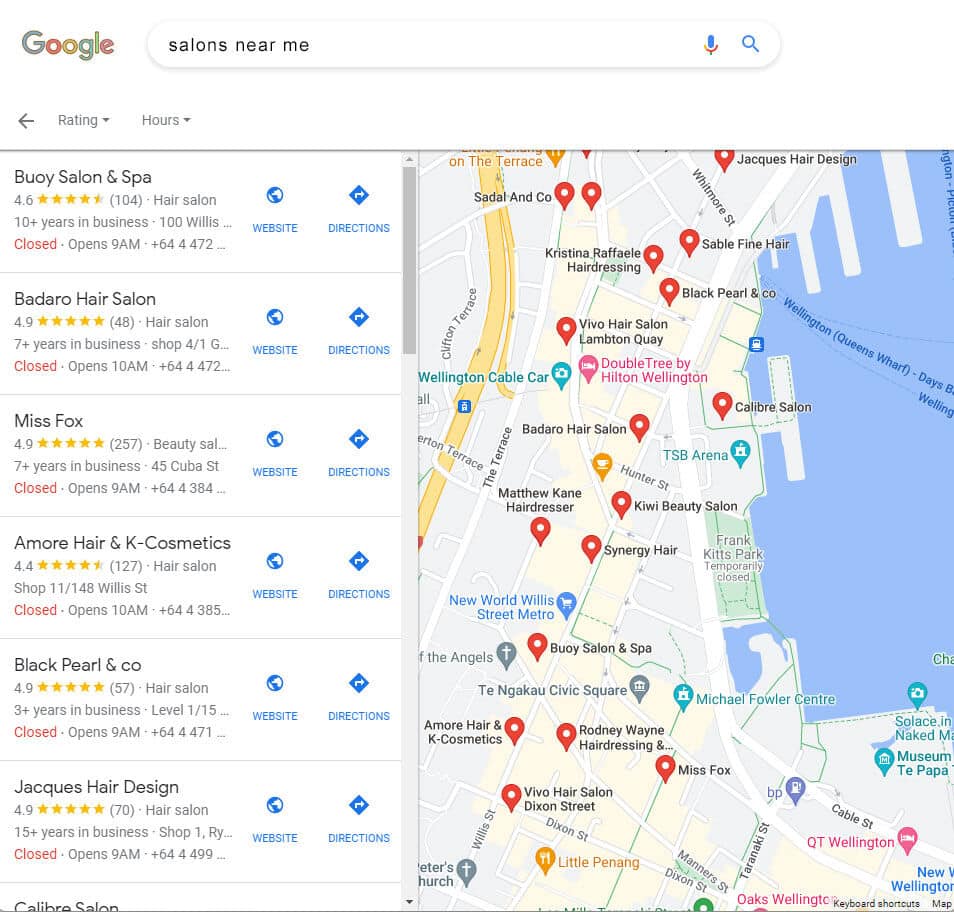
When optimizing your profile, use clear language that reflects the services patients are actually searching for. For example, include service terms such as aesthetic clinic, medispa, dermal fillers, skin treatments, injectables, facial rejuvenation, and other relevant local service keywords where appropriate.
3. Build a Consistent Social Media Presence
Social media can help aesthetic clinics build trust, educate patients, and show the personality of the practice. The most successful clinic social media strategies are usually consistent, professional, and focused on patient concerns rather than only promotions.
Content ideas for aesthetic clinics include:
- Educational posts about treatment categories
- Behind-the-scenes clinic content
- Practitioner introductions
- Patient preparation and aftercare tips
- Skincare routine guidance
- Seasonal skin health reminders
- Before-and-after content, where allowed and properly consented
- Frequently asked questions
- Myth-versus-fact posts
- Clinic values, safety standards, and consultation process
Engagement matters more than follower count. A smaller local audience that comments, books consultations, asks questions, and refers friends can be more valuable than a large audience with little interaction.
Clinics should also ensure that before-and-after images, testimonials, and treatment claims follow applicable advertising rules, patient privacy requirements, platform policies, and professional standards.
4. Use Paid Advertising Strategically
Paid advertising can help clinics reach local patients faster than organic marketing alone. Google Ads, Meta ads, retargeting campaigns, and local search advertising may all be useful depending on the clinic’s goals and budget.
Paid campaigns can be used to promote:
- Consultation bookings
- Seasonal treatment packages
- New services
- Skincare offers
- Event-based promotions
- Educational lead magnets
- VIP lists or newsletter signups
Before launching paid ads, clinics should define the goal of each campaign. A campaign designed to generate new consultations may need a different landing page, offer, and audience than a campaign designed to retarget existing website visitors.
Medical aesthetic advertising should be written carefully. Avoid unrealistic promises, exaggerated before-and-after claims, or language that pressures patients into treatment. Strong ads should focus on education, consultation, trust, and professional care.

5. Keep Your Website Updated
Your website is often the first serious impression a potential patient has of your clinic. Even if someone discovers your practice through social media, Google, or a referral, they will often visit your website before booking.
Aesthetic clinic websites should be clear, mobile-friendly, easy to navigate, and regularly updated. Important website updates may include:
- Service pages for each major treatment category
- Before-and-after galleries with proper consent
- Educational blog posts
- Practitioner bios and credentials
- Consultation and booking information
- FAQs for common patient questions
- Newsletter signup forms
- Contact forms and click-to-call buttons
- Clear location and parking information
- Updated offers, events, or announcements
Each service page should explain what the treatment is, who it may be suitable for, what patients can expect, possible side effects or downtime, and why consultation is important. This helps patients feel informed before they contact the clinic.
If your clinic website is outdated, slow, difficult to use on mobile, or missing key service pages, it may be costing you consultations. Regular website updates also support search visibility by giving search engines fresh, useful content to index.
6. Build and Nurture an Email List
Email marketing is one of the most useful tools for patient retention. Unlike social media, where algorithms can limit reach, email gives clinics a direct way to communicate with patients and interested prospects.
Clinics can use email newsletters to share:
- Seasonal skincare tips
- New treatment announcements
- Clinic events
- Limited-time offers
- Patient education articles
- Aftercare reminders
- VIP booking opportunities
- Product recommendations
A monthly newsletter is a good starting point for many clinics. The key is to keep emails useful and relevant rather than overly promotional. Patients are more likely to stay subscribed when they receive helpful information, not just sales messages.
Clinics should also make sure email marketing complies with applicable privacy, consent, and anti-spam requirements.
7. Ask for Reviews Professionally and Ethically
Online reviews can strongly influence whether a new patient chooses your clinic. Prospective patients often look at review volume, review quality, recent feedback, and how the clinic responds to both positive and negative comments.
Clinics can ask satisfied patients to leave honest reviews, but the request should be handled professionally. It is generally better to ask for genuine feedback rather than asking only for positive reviews.
Good review-building practices include:
- Asking after a positive patient experience
- Sending a simple follow-up email or text with a review link
- Responding professionally to reviews
- Thanking patients without revealing private health information
- Monitoring reviews regularly
- Using feedback to improve the patient experience
Clinics should avoid offering discounts, free services, or rewards in exchange for positive reviews. Review practices should follow applicable platform rules, advertising standards, and privacy requirements.

8. Create a Referral and Gift Card Strategy
Word-of-mouth referrals remain powerful for aesthetic clinics. Happy patients may already be talking about your clinic with friends, family, and coworkers. A structured referral strategy can make it easier for them to recommend your services.
Referral ideas may include:
- Referral thank-you programs where permitted
- Bring-a-friend events
- VIP patient appreciation days
- Gift card campaigns
- Seasonal packages for friends or family
- Follow-up emails encouraging patients to share their experience
Before launching a referral incentive, clinics should confirm that the program complies with applicable healthcare advertising, anti-kickback, professional, and platform rules in their jurisdiction.
Gift cards can also be useful because they introduce new patients to the clinic in a lower-pressure way. A patient who receives a gift card for a consultation, skincare product, or service may become a long-term client if the first experience is positive.
How to Choose the Best Marketing Ideas for Your Clinic
Not every clinic needs to use every marketing tactic at once. The best strategy depends on the clinic’s current goals, budget, team capacity, location, services, and patient base.
If your clinic is just starting, focus first on the essentials:
- A complete Google Business Profile
- A professional, mobile-friendly website
- Consistent social media posting
- A simple review request process
- A basic email list
Once those foundations are in place, clinics can add more advanced tactics such as paid ads, retargeting, referral campaigns, events, influencer partnerships, and content marketing.
Marketing Works Best When the Patient Experience Is Strong
No marketing strategy can replace excellent patient care. The strongest clinic marketing is built on patient trust, professional consultation, safe treatment standards, clear communication, and consistent results.
When patients feel heard, educated, and well cared for, they are more likely to return, leave reviews, refer others, and engage with your clinic online.
Professional Aesthetic Supplies for Growing Clinics
As your clinic grows, reliable access to professional aesthetic supplies becomes increasingly important. Health Supplies Plus offers a selection of products for qualified clinics and licensed medical practitioners, including dermal fillers and other aesthetic medical supplies.
Clinics can explore professional products to support treatment planning, patient care, and inventory management.
Shop professional dermal fillers at Health Supplies Plus.
Frequently Asked Questions About Aesthetic Clinic Marketing
How can an aesthetic clinic attract more local patients?
Aesthetic clinics can attract more local patients by optimizing their Google Business Profile, improving their website, posting consistently on social media, collecting honest reviews, running targeted local ads, and creating useful educational content.
Is social media important for medispas?
Yes. Social media can help medispas build trust, educate patients, showcase the clinic experience, and stay visible between appointments. Consistency and engagement are more important than follower count alone.
How often should an aesthetic clinic email patients?
Many clinics start with one newsletter per month. The best frequency depends on the quality of the content, patient interest, and the clinic’s offers or events. Emails should be helpful and relevant rather than overly promotional.
Should clinics ask patients for reviews?
Yes, clinics can ask satisfied patients for honest reviews, but requests should be professional and compliant with platform rules, privacy obligations, and advertising standards. Clinics should not pressure patients or request only positive reviews.
What should an aesthetic clinic post on its website?
Clinic websites should include service pages, practitioner credentials, treatment FAQs, consultation information, contact details, before-and-after galleries where appropriate, educational blog posts, and booking options.
Are paid ads useful for aesthetic clinics?
Paid ads can be useful when they are targeted, compliant, and connected to a clear landing page or booking goal. Clinics should avoid unrealistic treatment claims and focus on education, consultation, and professional care.
How can clinics encourage referrals?
Clinics can encourage referrals by delivering an excellent patient experience, offering gift cards, hosting events, creating referral programs where permitted, and making it easy for happy patients to share the clinic with others.
Where can aesthetic clinics buy professional supplies online?
Qualified aesthetic clinics and licensed medical practitioners can explore professional aesthetic supplies through Health Supplies Plus. Product availability may vary by region, practitioner eligibility, and applicable regulations.
View professional dermal fillers available from Health Supplies Plus.
This content is intended for professional informational and marketing-education purposes only and does not replace legal, regulatory, advertising, privacy, medical, clinical, or platform-specific guidance. Clinics should ensure that all marketing, advertising, testimonial, review, referral, and patient-content practices comply with applicable laws, regulations, professional standards, and platform policies.

About the Author: Doris Dickson is a specialist writer for Health Supplies Plus, focusing on the aesthetic medicine industry. She diligently researches cosmetic treatments and products to provide clear, concise information relevant to licensed medical professionals. Her work supports Health Supplies Plus’s commitment to being a reliable informational resource and trusted supplier for the aesthetic community.
Disclaimer: The content provided in this article is intended for informational purposes only and is directed towards licensed medical professionals. It is not intended to be a substitute for professional medical advice, diagnosis, or treatment, nor does it constitute an endorsement of any specific product or technique. Practitioners must rely on their own professional judgment, clinical experience, and knowledge of patient needs, and should always consult the full product prescribing information and relevant clinical guidelines before use. Health Supplies Plus does not provide medical advice.